
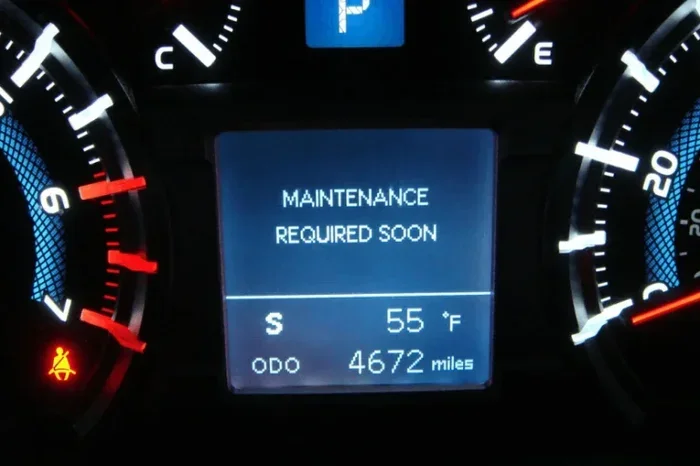

When the maintenance required light appears on your Toyota dashboard, it simply means your car is due for routine service. This indicator tracks mileage and reminds you to change oil, check fluids, or inspect filters. It does not signal a major failure or emergency breakdown. You can easily clear the notification after completing the scheduled service. Understanding this warning helps you maintain your vehicle without unnecessary stress.
Key Takeaways
- Routine Reminder: The maintenance required light is a mileage-based service indicator, not a warning of mechanical failure.
- Oil Change Focus: It most often signals that your engine oil and filter need replacement.
- Reset Process: You can clear the light manually after completing the scheduled service using simple dashboard controls.
- Model Variations: Different Toyota models like the Camry, Corolla, and RAV4 have slightly different reset procedures.
- Safety First: Ignoring the light for too long can lead to reduced fuel efficiency and long-term engine wear.
- Regular Checks: Use the reminder to inspect tires, brakes, and coolant alongside your oil change.
- Professional Help: If the light returns quickly or flashes, consult a mechanic to rule out deeper issues.
📑 Table of Contents
Understanding the Maintenance Required Light
Many drivers panic when they see a new warning appear on their dashboard. You might wonder if your car is breaking down or if you need to pull over immediately. The truth is much simpler. What does maintenance required mean on a Toyota? It is just a friendly reminder that your vehicle has reached a scheduled service interval.
Toyota designs this system to help owners stay on top of routine care. Modern cars are incredibly reliable. They do not need constant attention. However, engine oil breaks down over time. Filters get clogged. Brake pads wear down. The car tracks how far you have driven since the last reset. When the mileage hits a preset number, the light turns on.
This feature works on many popular models. If you drive a Toyota Corolla, you will see this reminder regularly. The same applies to the Toyota Camry. Even larger vehicles like the Toyota Highlander use similar tracking systems. The goal is consistent care across the entire lineup.
You should treat this light as a helpful nudge. It keeps your warranty valid. It also protects your investment. Regular service prevents small issues from becoming expensive repairs. Think of it as a digital checklist that lives on your dashboard.
What Triggers the Maintenance Required Indicator?
The indicator does not monitor engine health in real time. It does not check oil quality or temperature. Instead, it counts miles. Most Toyota vehicles are programmed to illuminate the light every five thousand to ten thousand miles. The exact number depends on the model year and engine type.
Visual guide about Toyota dashboard maintenance light
Image source: i.ytimg.com
Here are the most common triggers:
- Mileage Accumulation: The car reaches the set interval since the last reset.
- Oil Life Tracking: Some newer models track oil degradation based on driving conditions.
- Scheduled Service Intervals: The manufacturer sets default reminders for filters and fluid checks.
- Manual Reset Failure: Previous owners may have skipped the reset step after service.
Driving habits also play a role. Short trips and stop-and-go traffic put more stress on oil. The system may adjust intervals slightly in severe conditions. However, the basic trigger remains mileage. You do not need to worry about complex sensors. The car simply counts forward.
It is important to note that this light differs from the check engine light. The check engine light signals a malfunction. The maintenance light signals a schedule. Keeping this distinction clear helps you react properly. You can keep driving safely when the maintenance light appears. You should schedule a service appointment soon.
Common Services Linked to the Light
When the reminder appears, several routine tasks may be due. The exact list depends on your vehicle age and driving history. Most owners focus on oil changes first. Fresh oil keeps engine parts lubricated and cool. Old oil turns thick and loses protection.
Other common service items include:
- Engine Air Filter: A clogged filter restricts airflow and reduces efficiency.
- Cabin Air Filter: This filter cleans the air inside your car. It needs replacement for comfort.
- Brake Inspection: Mechanics check pad thickness and rotor condition during routine visits.
- Fluid Top-Offs: Coolant, power steering, and windshield washer fluids may need attention.
- Tire Rotation: Rotating tires promotes even wear and extends tread life.
You can handle some tasks yourself. Many drivers learn to change oil and filters at home. Others prefer professional service centers. Both approaches work well. The key is consistency. Skipping service for years can cause premature wear. Following the schedule keeps performance steady.
If you own a 2018 Toyota Camry, you might wonder about oil type. Using the correct viscosity matters for engine longevity. Toyota usually recommends synthetic blends or full synthetic oils. Check your owner manual for exact specifications. The right oil helps the engine run smoothly and quietly.
How to Reset the Maintenance Light
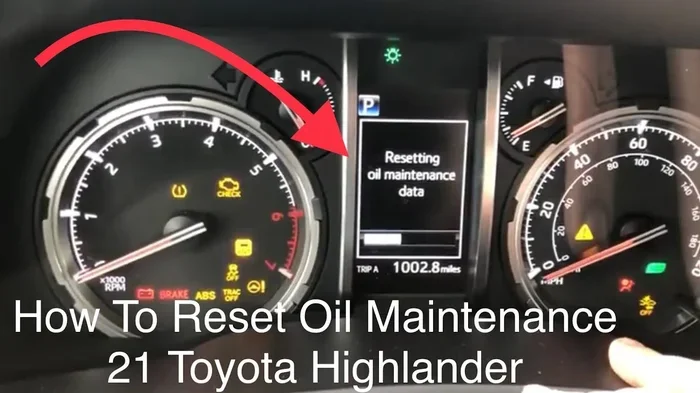
After you complete the service, you need to clear the notification. The reset process is straightforward. You do not need special tools. You only need access to the dashboard controls. The steps vary slightly by model. Most procedures involve the trip meter button and the ignition switch.
General reset steps include:
- Turn the ignition to the on position without starting the engine.
- Locate the trip meter or odometer reset button.
- Press and hold the button while turning the ignition off and on.
- Watch for the light to flash or disappear.
- Release the button once the indicator clears.
Some models require you to navigate through a settings menu. Touchscreen models may use the vehicle settings screen. Older models rely on physical buttons near the speedometer. The process usually takes less than a minute. You can do it in your driveway or parking spot.
If you drive a Toyota RAV4, the steps may differ slightly from a sedan. SUVs sometimes use a combination of pedal presses and button holds. Checking a model-specific guide saves time. You can also ask your service technician to handle the reset. Many shops include this step with every oil change.
Remember that resetting the light before service defeats the purpose. The reminder exists to keep you on track. Clear it only after you finish the work. This habit ensures you do not lose track of future intervals.
Maintenance Required vs. Check Engine Light
Confusion between these two lights causes unnecessary worry. Both appear on the dashboard. Both use warning colors. However, they serve very different purposes. Understanding the difference helps you prioritize your response.
The maintenance required light is yellow or orange. It stays steady. It appears on a schedule. You can drive normally. You should book service within the next few weeks. The check engine light is usually red or amber. It may flash. It signals a detected fault. You should investigate it promptly.
Here is a quick comparison:
- Purpose: Maintenance reminds you of routine care. Check engine warns of a malfunction.
- Urgency: Maintenance allows flexible timing. Check engine may require immediate attention.
- Cause: Maintenance follows mileage. Check engine follows sensor readings.
- Reset: Maintenance resets after service. Check engine resets after repair.
If both lights appear together, focus on the check engine light first. The maintenance reminder can wait a short while. The engine issue deserves priority. Always address safety-related warnings before routine reminders. This approach protects your car and your peace of mind.
Tips for Staying on Top of Toyota Service
Managing service reminders does not have to be stressful. A few simple habits keep your Toyota in great shape. You can use a phone calendar, a notebook, or the car manual. Pick a method that fits your routine. Consistency matters more than complexity.
Helpful habits include:
- Track Mileage: Write down your odometer reading after each service.
- Set Calendar Alerts: Add reminders a few hundred miles before the next interval.
- Keep Records: Save receipts and service notes for future reference.
- Inspect Monthly: Check tire pressure and fluid levels once a month.
- Listen to Your Car: Unusual noises or vibrations may signal early issues.
You should also learn basic warning light meanings. Toyota uses many indicators for brakes, battery, and tires. Knowing each symbol helps you react quickly. You can review the owner manual or trusted online guides. Knowledge reduces panic and improves decision-making.
If you plan to sell your car later, service records add value. Buyers appreciate documented care. A clean maintenance history shows responsibility. It also suggests the engine and systems received proper attention. Simple record-keeping pays off in the long run.
When to See a Professional
Most maintenance light situations are simple. You change the oil and reset the indicator. However, some cases need expert help. If the light returns very soon after a reset, something may be wrong. The system might not have cleared properly. Or the car may need additional service.
Visit a professional when:
- The Light Flashes: Flashing indicators often signal a more serious condition.
- Performance Drops: Loss of power or rough idling needs diagnosis.
- Unusual Sounds Appear: Knocking, squealing, or grinding warrants inspection.
- Fluids Leak: Puddles under the car require immediate attention.
- You Feel Unsure: If the reset steps do not work, a technician can help.
Certified technicians have diagnostic tools and model-specific knowledge. They can verify whether the light is purely routine or tied to another issue. They also handle complex resets for newer models. Using a trusted shop builds a reliable service relationship.
Do not ignore the light for months. Even if the car feels fine, delayed oil changes cause sludge buildup. Sludge restricts flow and harms components. Staying proactive avoids costly repairs. A small service visit today can prevent a major bill later.
Conclusion
The maintenance required light on your Toyota is a simple, helpful tool. It keeps you informed about routine service intervals. It does not mean your car is failing. It means your vehicle is ready for a checkup. Understanding this difference removes fear and confusion.
You now know what triggers the light, what services it usually signals, and how to reset it. You also understand how it differs from the check engine light. These insights help you care for your Toyota with confidence. Regular maintenance preserves performance, safety, and resale value.
Treat the reminder as a partner in your ownership journey. Schedule service, complete the work, and clear the light. Keep records and stay observant. Your Toyota will reward you with reliable miles and smooth drives. When you see the light again, you will know exactly what to do.
Frequently Asked Questions
What does maintenance required mean on a Toyota?
It means your Toyota has reached a scheduled service interval based on mileage. The light reminds you to check oil, filters, and other routine items. It does not indicate a breakdown or emergency.
Can I keep driving when the maintenance required light is on?
Yes, you can usually keep driving safely for a short time. The light is a reminder, not an urgent warning. You should schedule service soon to avoid overdue wear.
How do I reset the maintenance required light on my Toyota?
Most models allow a manual reset using the trip button and ignition cycle. The exact steps vary by model year and dashboard layout. Complete the service first, then follow the reset procedure for your vehicle.
Is the maintenance required light the same as the check engine light?
No, they serve different purposes. The maintenance light tracks routine service intervals. The check engine light signals a detected mechanical or emissions issue. The check engine light usually needs faster attention.
Why does the maintenance light come on so frequently?
It often comes on because the car reached its set mileage interval. If it appears very soon after a reset, the reset may not have worked or the service interval may be shorter for your model. A technician can verify the system.
Does ignoring the maintenance required light cause damage?
Ignoring it for a long time can lead to old oil, clogged filters, and extra engine stress. Short delays are usually fine, but repeated neglect reduces efficiency and longevity. Regular service keeps your Toyota running well.


