

Toyota TRD stands for Toyota Racing Development, a performance brand built to make Toyotas faster, tougher, and more fun to drive. This guide explains what TRD means, how it started, and why it still matters for everyday buyers and serious enthusiasts. You will also learn how TRD parts, trim levels, and tuning packages differ from stock models. By the end, you will know exactly what TRD brings to the table and whether it fits your needs.
If you have ever shopped for a Toyota, you may have noticed a small badge or package name that keeps showing up. That name is TRD. It sounds technical, but the idea behind it is simple. TRD is Toyota’s performance group, and it focuses on making vehicles more capable, more engaging, and better suited for demanding use. Whether you care about street performance, weekend off-roading, or just a stronger-looking trim, TRD has probably touched the model you are looking at.
Many buyers see the badge and wonder what it really changes. That is a smart question. A TRD label can mean a few different things depending on the vehicle. Sometimes it signals real mechanical upgrades. Sometimes it is more about appearance and tuning. And sometimes it marks a special off-road version with serious hardware. In this guide, we will break it all down in plain language so you can understand what does TRD stand for Toyota and why that matters when you compare models.
Key Takeaways
- TRD means Toyota Racing Development: It is Toyota’s official performance and tuning division focused on speed, handling, and durability.
- TRD appears on many vehicle types: You can find TRD branding on sedans, trucks, SUVs, and off-road machines.
- TRD packages vary by market: Some vehicles get TRD trim levels, while others receive TRD mechanical upgrades or appearance kits.
- Off-road TRD models stand out: TRD Off-Road and TRD Pro versions often include better suspension, tires, and recovery-focused hardware.
- TRD improves driving dynamics: Common upgrades include tuning, brakes, springs, dampers, wheels, and aerodynamic tweaks.
- TRD is not always a separate trim: Sometimes TRD is a package, badge, or set of performance parts rather than a full model variant.
- Buyers should verify the exact specs: TRD branding can mean different things on different vehicles, so checking the build and options matters.
📑 Table of Contents
- What Does TRD Stand For Toyota And What TRD Really Means
- The History Behind Toyota TRD And Why It Still Matters
- What TRD Means For Different Toyota Vehicles
- TRD Off-Road And TRD Pro: What Sets Them Apart
- Common TRD Upgrades And What They Change
- Why TRD Matters To Buyers Today
- Expert Insights On Buying A TRD Toyota
- Key Takeaways On What Does TRD Stand For Toyota
What Does TRD Stand For Toyota And What TRD Really Means
The short answer is easy. TRD stands for Toyota Racing Development. This group started with racing and performance in mind, and that spirit still shapes the brand today. Over time, TRD grew from a racing-focused effort into a broader performance label that appears on production cars, trucks, and SUVs.
When people ask what does TRD stand for Toyota, they usually want more than the acronym. They want to know whether TRD is just a badge or whether it changes the vehicle in meaningful ways. The honest answer is that it depends. In some cases, TRD adds real performance parts. In other cases, it adds styling cues, suspension tuning, wheels, or special badging. Still, the core idea stays the same: TRD is about making a Toyota feel more alert, more durable, or more adventurous.
Why TRD Exists In The First Place
TRD exists because Toyota saw a need for dedicated performance tuning. Factory models are built for broad audiences, but racing, motorsports, and enthusiastic drivers often want more. They want sharper handling, better grip, stronger brakes, and setups that can handle stress. TRD helps bridge that gap by tuning vehicles with those goals in mind.
This matters because a performance label should mean something concrete. If you are comparing two similar Toyotas, the TRD version may have different suspension tuning, bigger brakes, unique wheels, or more aggressive styling. It may also come with a specific engine tune or a more sporty exhaust note. In other words, TRD is not just a sticker. It is usually a signal that the vehicle was developed with a more active driving experience in mind.
TRD vs Regular Toyota Models
A regular Toyota is typically tuned for comfort, reliability, and broad appeal. A TRD model is often tuned with a different priority list. That does not mean one is better than the other in every situation. It means they are aimed at different buyers.
Here is the basic difference in plain terms:
- Regular Toyota: Focuses on daily comfort, practical pricing, and wide usability.
- TRD model: Usually adds performance-minded tuning, sportier looks, or off-road enhancements.
- TRD package: May include select upgrades without changing the whole vehicle identity.
- TRD trim or special edition: Can combine appearance and mechanical updates into one more distinct version.
This is why the phrase what does TRD stand for Toyota comes up so often. Buyers want to know whether the badge changes the driving experience or mainly changes the look. The answer varies by model, but the performance connection is always part of the story.
The History Behind Toyota TRD And Why It Still Matters
TRD did not appear out of nowhere. It grew from Toyota’s involvement in motorsports and performance engineering. Racing has always been a useful testing ground because it pushes vehicles hard and reveals what works under stress. That feedback can then influence production models.
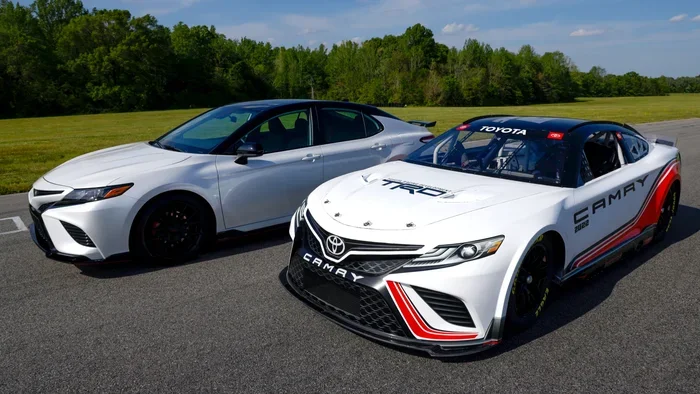
Visual guide about Toyota TRD performance car
Image source: thedrive.com
Over time, TRD became the name associated with Toyota’s performance efforts in the United States and other markets. It helped shape tuned suspensions, special performance parts, and vehicles built with more aggressive driving in mind. That history is important because it explains why TRD still carries a sporty and capable image today.
How Racing Influenced TRD
Motorsports teach lessons that ordinary driving cannot always reveal. Engineers learn how a vehicle behaves when pushed harder, how parts handle heat and wear, and how small changes affect balance. TRD used that kind of feedback to refine production vehicles and performance parts.
This is one reason TRD feels different from a generic accessory package. It is tied to a longer performance tradition. Even when a modern TRD model is meant for daily use, the branding still reflects that racing-rooted mindset. For many buyers, that heritage is part of the appeal.
How TRD Evolved From Racing To Retail
As the brand grew, TRD moved beyond pure competition and into showroom models. That shift made performance more accessible. Instead of needing a full race build, everyday buyers could choose a TRD trim or package that brought in sportier character.
This evolution also made TRD more flexible. It could be used on a sedan, a pickup, or an SUV. It could signal track-ready tuning in one case and trail-ready hardware in another. That flexibility is a big reason TRD remains relevant now.
What TRD Means For Different Toyota Vehicles
One of the most confusing parts of TRD is that it does not mean exactly the same thing on every vehicle. On one model, it may point to a sport-tuned suspension and unique wheels. On another, it may point to off-road hardware and a more rugged setup. That is why the question what does TRD stand for Toyota often leads to a model-specific answer.
Still, the general pattern is clear. TRD usually marks a version of the vehicle that has been tuned or equipped with a more specialized purpose. It may be more fun on pavement, more capable off pavement, or simply more visually distinct.
TRD On Sedans And Sporty Models
On smaller or sport-oriented Toyotas, TRD often shows up as a performance package or special trim. You may see upgraded suspension components, larger wheels, better brakes, or a more responsive tune. The goal is usually a more engaging drive with sharper handling and a more confident feel.
These versions often appeal to buyers who want more personality from a familiar vehicle. They may not be built for extreme performance, but they usually feel livelier than the base model. That is a big part of the TRD appeal in this segment.
TRD On Trucks And SUVs
On trucks and SUVs, TRD often takes on a different tone. Here, the focus may shift toward toughness, towing confidence, trail readiness, or a more rugged appearance. Depending on the model, TRD may bring stronger suspension tuning, all-terrain tire options, skid protection, or other hardware that supports more demanding use.
This is especially useful for buyers who want a vehicle that can handle daily driving and still feel prepared for rougher roads or weekend adventures. In that sense, TRD on a truck or SUV often blends style with practical capability.
TRD Off-Road And TRD Pro: What Sets Them Apart
If you are looking at trucks or SUVs, you may also see terms like TRD Off-Road and TRD Pro. These labels matter because they often represent a higher level of off-road focus. They are not just cosmetic upgrades. They usually point to a more serious set of features for drivers who expect rough terrain, steep approaches, or long backcountry trips.
This is where TRD becomes especially interesting. It can range from a sporty street package to a highly capable off-road build, and the difference can be significant.
TRD Off-Road Highlights
A TRD Off-Road model is usually built with terrain capability in mind. That can include suspension tuning, better ground clearance, all-terrain tires, and hardware that helps the vehicle handle uneven surfaces. It may also include features that improve confidence when climbing, descending, or navigating loose ground.
For many buyers, this is the sweet spot. It keeps the vehicle usable for normal driving while adding real off-road character. If your idea of adventure includes dirt roads, light trails, or snowy passes, this level of TRD can be a strong fit.
TRD Pro Highlights
TRD Pro often sits above TRD Off-Road in terms of off-road emphasis. It is commonly associated with more advanced suspension setups, more rugged components, and a stronger focus on trail performance. The exact details vary by model, but the general idea is clear: TRD Pro is meant to push capability further.
This matters because not every off-road trim is built the same way. A TRD Pro model may be a better match if you plan to spend more time on demanding terrain or want a vehicle that feels especially prepared for rough use.
Common TRD Upgrades And What They Change
A big part of understanding TRD is knowing what kinds of upgrades it may include. The exact list depends on the vehicle, but several types of changes show up often. These changes can affect ride quality, handling, appearance, and durability.
Here are some common areas where TRD may make a difference:
- Suspension tuning: Springs, dampers, and geometry changes can alter stance, grip, and ride character.
- Brakes: Larger or improved braking components can support stronger stopping performance.
- Wheels and tires: Different wheels and tires can change look, grip, and off-road readiness.
- Exterior styling: Badges, trim, grilles, and body details can give the vehicle a more distinctive identity.
- Engine or transmission tuning: Some TRD versions may include calibration changes for a more responsive feel.
- Protection and hardware: In off-road models, added skid protection or trail-ready parts may be included.
The key point is that TRD is not one single formula. It is a performance label that can be applied in different ways. That is why it helps to look at the specific vehicle rather than assuming every TRD model has the same upgrades.
Quick Tips For Reading TRD Specs
If you are comparing models, do not stop at the badge. Check the actual equipment list. A TRD version may look similar to another trim from the outside, but the real differences are often in the details.
- Compare the option lists carefully.
- Look for suspension, brake, wheel, and tire differences.
- Check whether the model is a package, trim, or special edition.
- Read the fine print on off-road hardware if that matters to you.
Why TRD Matters To Buyers Today
So why does TRD still matter? Because it gives buyers a way to choose a more focused version of a Toyota without leaving the brand. If you like the reliability and practicality of Toyota but want more character, more grip, or more ruggedness, TRD offers a middle path.
It also helps that TRD has a clear identity. People recognize the name. It suggests performance, effort, and a more deliberate build. For some buyers, that emotional appeal is just as important as the mechanical changes. A vehicle can feel more special when it carries a performance label with a real backstory.
When TRD Is A Good Fit
TRD is often a good fit if you want:
- More driving engagement: A sportier feel, sharper response, or a more confident stance.
- More off-road confidence: Better suspension, tires, or hardware for rough conditions.
- A more distinctive look: Badge-driven styling that sets the vehicle apart.
- A balance of daily use and special traits: A Toyota that still feels practical but has extra personality.
Common Mistakes To Avoid
A few mistakes come up often when buyers shop for TRD models. Avoiding them can save time and prevent disappointment.
- Assuming all TRD models are identical. They are not. The upgrades can differ a lot.
- Focusing only on the badge. Always check the actual features.
- Confusing appearance packages with performance upgrades. Some changes are mainly visual.
- Ignoring resale and market differences. TRD interest can affect demand in some areas.
Expert Insights On Buying A TRD Toyota
If you want to shop smart, think about how you will actually use the vehicle. TRD makes the most sense when its strengths match your priorities. If you mainly want a daily driver with a bit more attitude, a TRD package may be enough. If you expect serious off-road use, look closely at the more capable versions and verify the hardware.
It also helps to compare the TRD model with the nearest non-TRD version. Sometimes the difference is worth it. Sometimes the extra cost is mostly about branding and appearance. The right choice depends on whether you value the performance changes, the look, or the overall package as a whole.
A practical way to think about it is this: TRD is a signal, not a guarantee of the same upgrades everywhere. Treat it as a starting point, then confirm the details for the specific model year and market you are considering.
Key Takeaways On What Does TRD Stand For Toyota
At this point, the answer to what does TRD stand for Toyota should feel much clearer. TRD stands for Toyota Racing Development, and it represents Toyota’s performance-oriented side. It can show up as a trim, a package, or a special off-road version. It may bring real mechanical changes, or it may focus more on styling and tuning. Either way, it is meant to give the vehicle a more distinct character.
If you are deciding whether a TRD model is worth it, focus on three things: the actual upgrades, the way you plan to use the vehicle, and how much the badge matters to you. That simple approach usually leads to a better buy than chasing the name alone.
In the end, TRD matters because it gives Toyota a way to offer more focused, more engaging, and sometimes more rugged versions of its vehicles. For enthusiasts, that is a big draw. For everyday buyers, it can be a useful way to add personality and capability without stepping outside the Toyota family.
Frequently Asked Questions
What does TRD stand for Toyota?
TRD stands for Toyota Racing Development. It is Toyota’s performance and tuning division, and the name is used on certain models, packages, and special editions that focus on sportier driving or more rugged capability.
Does TRD mean a Toyota is faster?
Not always. TRD can mean a more responsive tune or better brakes and suspension, but the exact effect depends on the vehicle. Some TRD models feel more engaging, while others focus more on appearance or off-road hardware.
What is the difference between TRD Off-Road and TRD Pro?
TRD Off-Road usually adds terrain-friendly features like suspension tuning and all-terrain tires. TRD Pro often goes further with more advanced off-road hardware and a stronger focus on trail capability. The exact details vary by model.
Is TRD only for off-road vehicles?
No. TRD appears on many types of vehicles, including sedans, trucks, and SUVs. In some cases it highlights street performance, while in others it highlights off-road strength or a more aggressive look.
Are TRD parts only available on TRD models?
Not necessarily. Some TRD parts and accessories can be added to other vehicles, while other upgrades are built into specific TRD trims or packages. It depends on the model and the market.
Should I buy a TRD model just for the badge?
That depends on what you value. If the badge matters to you and the vehicle still fits your needs, it can be a good choice. If you want real performance or capability gains, it is better to compare the actual features instead of relying on the TRD label alone.