
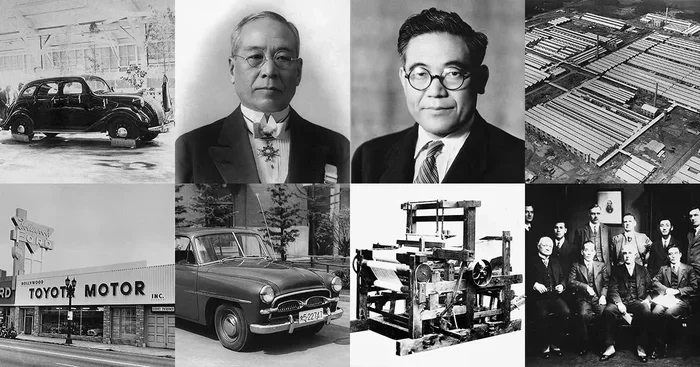
Who is the founder of Toyota Motor Corporation? The story begins with Kiichiro Toyoda, a brilliant engineer who transformed a loom business into a global automotive empire. His dedication to innovation and efficiency created a legacy that still defines the brand today. Understanding this history helps us appreciate the values behind every vehicle on the road.
Have you ever wondered who is the founder of Toyota Motor Corporation? It is a question many car lovers ask when they see the famous logo on the road. The story behind this giant company is not just about cars. It is about vision, hard work, and a family that changed how the world moves.
Toyota started as a small business making machines for weaving cloth. It might seem strange that a textile company became a car giant. But the skills needed to make looms were similar to making engines. Precision, patience, and efficiency were key. These values became the heart of the brand.
In this article, we will explore the life of Kiichiro Toyoda. We will look at how the company started and grew. You will learn about the early struggles and the big decisions that shaped the future. By the end, you will know exactly who is the founder of Toyota Motor Corporation and why his story matters to you.
Key Takeaways
- Kiichiro Toyoda is the founder: He established the automobile division in 1937, building on his family’s textile legacy.
- The name changed for luck: “Toyota” was chosen over “Toyoda” because it sounded better and used fewer brush strokes.
- Lean manufacturing origins: The company pioneered efficient production methods that influenced the entire industry.
- Post-war growth: Toyota recovered from war damage to become a leader in quality and reliability.
- Global expansion: The brand grew from a local Japanese manufacturer to a worldwide powerhouse.
- Family values matter: The Toyoda family’s focus on improvement and respect remains central to the culture.
- Legacy continues: Modern models still reflect the engineering principles set by the founder decades ago.
📑 Table of Contents
The Early Life of Kiichiro Toyoda
Kiichiro Toyoda was born in Japan in 1894. He was the son of Sakichi Toyoda, who was already a famous inventor. His father created the automatic loom. This machine helped make cloth much faster than by hand. It was a huge success for the family business.
Growing up in this environment, Kiichiro learned about engineering early. He watched his father solve problems with machines. He saw how innovation could change an industry. This inspired him to look beyond textiles. He wanted to build something that moved.
Kiichiro studied engineering at a technical school. He was a quiet and serious student. He focused on mechanics and engines. While his father worked on looms, Kiichiro dreamed of automobiles. He believed cars would be important for the future of Japan.
After finishing school, he worked in the family factory. He learned how to manage production. He also learned about quality control. These lessons would later help him build cars that lasted. He understood that making things well was more important than making them fast.
From Looms to Engines
The shift from looms to engines was not easy. It required new skills and new tools. Kiichiro spent time studying combustion engines. He visited factories in Europe to learn how they made cars. He wanted to bring that knowledge back home.
He started experimenting with small engines. He built a prototype car in the 1930s. It was not perfect, but it worked. This showed that the company could diversify. People began to see the potential of the Toyoda name in the auto industry.
Kiichiro also believed in self-reliance. He wanted Japan to make its own cars instead of buying them from other countries. This national pride drove his efforts. He wanted to build a vehicle that Japanese people could afford and trust.
The Founding of Toyota Motor Corporation
Many people ask who is the founder of Toyota Motor Corporation when they see the brand today. The official answer is Kiichiro Toyoda. He established the automobile division in 1933. Before that, the company was focused on textiles.
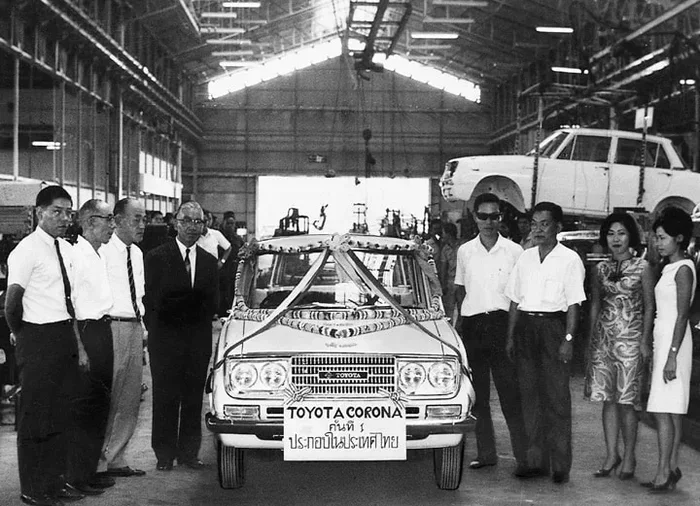
Visual guide about Toyota factory founding history
Image source: pictures.dealer.com
In 1937, the company became a separate entity. This was a big step. It meant the car business was serious and independent. Kiichiro took on the challenge of leading this new venture. He had the support of his family, but the pressure was high.
The first car produced was the Model AA. It was a large passenger vehicle. It looked modern for its time. The company had to overcome many hurdles to get it running. Supply chains were difficult. Materials were scarce. But they kept going.
Why the Name Changed to Toyota
You might notice the name is “Toyota” not “Toyoda.” This was a deliberate choice. The family name was Toyoda. But when branding the car, they wanted something that sounded smoother. They also wanted a name that was easy to write and remember.
The change was decided by a public vote. Employees and stakeholders chose “Toyota.” It used fewer brush strokes in Japanese writing. This was seen as a sign of good luck. It also sounded better when spoken aloud. This small change helped the brand stand out.
This decision shows how much thought went into the company’s image. It was not just about building cars. It was about building a brand. Kiichiro understood the power of identity. He wanted the name to represent quality and trust.
Toyota’s Growth After World War II
After the war, Japan faced many challenges. Factories were damaged. Resources were low. Toyota had to rebuild from the ground up. Kiichiro Toyoda remained committed to the vision. He focused on efficiency to survive.
One major innovation was the just-in-time method. This idea came from the need to save space and money. Parts arrived only when they were needed. This reduced waste and improved flow. It became a hallmark of Toyota production.
During this time, the company also focused on trucks. Commercial vehicles were needed to rebuild the economy. Toyota made reliable trucks that could handle hard work. This helped the company earn money and gain reputation. It was a practical strategy for a difficult time.
The Rise of the Toyota Crown
In the late 1950s, Toyota introduced the Crown. This was a major milestone. It was a passenger car designed for the domestic market. It offered comfort and reliability. People loved it because it was built for their needs.
The Crown helped Toyota expand beyond trucks. It showed they could make cars for families. This opened up new markets. Sales began to grow steadily. The company was no longer just surviving. It was thriving.
This era also saw the start of exports. Toyota began selling cars to other countries. The United States was a key market. Americans appreciated the value and durability. This global step was crucial for long-term success.
Innovation and Manufacturing Philosophy
Toyota is famous for its production system. This system was built on the ideas of Kiichiro and his team. They focused on continuous improvement. This is known as Kaizen in Japanese. It means always trying to get better.
Workers at all levels are encouraged to suggest changes. If a problem is found, it is fixed immediately. This prevents small issues from becoming big ones. It creates a culture of quality. This approach is still used in factories around the world today.
Another key idea is respect for people. Toyota believes that workers are valuable. They are not just parts of a machine. When people feel valued, they work better. This human-centric approach sets the brand apart from competitors.
Toyota vs. Other Brands
When comparing Toyota to other brands, the focus on longevity stands out. Some brands focus on speed or luxury. Toyota focuses on reliability and practicality. This appeals to a wide range of buyers. It is why the brand has such a loyal following.
For example, the Toyota Tacoma is known for toughness. If you want to know what is the towing capacity of a Toyota 4Runner, you will see that these vehicles are built for work. Similarly, the Tacoma bed is designed for utility. You can check how long is the bed of a Toyota Tacoma to understand its cargo space. These features reflect the original goal of making useful vehicles.
This practical mindset comes from the founder’s vision. Kiichiro wanted cars that served people. He did not just want to make fancy designs. He wanted function and durability. This philosophy is still visible in modern models.
Global Expansion and Modern Era
As the decades passed, Toyota grew into a global leader. It opened factories in many countries. This helped reduce costs and serve local markets. It also created jobs around the world. The brand became a household name.
Technology also evolved. Toyota invested in hybrid vehicles early. The Prius was a pioneer in this space. It showed the company cares about the environment. This forward-thinking approach keeps them relevant. They adapt to new trends while keeping core values.
Today, the company offers many types of vehicles. From small sedans to large trucks, there is something for everyone. The Toyota C-HR is a great example of a stylish compact SUV. It shows how the brand mixes design with practicality. There is also the fastest Toyota Camry for those who want performance.
Continuing the Legacy
The legacy of Kiichiro Toyoda is not just in history books. It is in every car that rolls off the line. The attention to detail is there. The focus on efficiency is there. The commitment to quality is there. These are the marks of the founder.
Even as the company grows, it remembers its roots. They honor the past while looking to the future. This balance is hard to achieve. But Toyota manages it well. They stay true to the principles set by the founder.
For those interested in the company’s identity, you might wonder what is the logo for Toyota. The emblem represents trust and motion. It is recognized everywhere. It is a symbol of the journey that started over a century ago.
Common Mistakes When Researching Toyota History
When looking into the past of this company, people often make a few errors. Here are some common mistakes to avoid.
- Confusing the family name: Remember that the company name is Toyota, but the family is Toyoda. This change was intentional.
- Ignoring the textile roots: You cannot understand the car company without knowing about the loom business. The skills transferred directly.
- Overlooking the post-war era: The rebuilding phase was crucial. It shaped the production methods used today.
- Assuming one person did everything: Kiichiro had a team. Success was a group effort, though he led the vision.
- Thinking it was always global: The company started local. Global expansion came later after establishing a strong base.
Expert Insights on Toyota’s Origins
Experts agree that Kiichiro Toyoda was a visionary. He saw the potential of the automobile industry before many others. His engineering background gave him an edge. He understood how things worked at a deep level.
Another insight is the importance of culture. The company culture was built on improvement. This culture survived wars and economic changes. It is the reason why the brand is trusted today. People know what to expect from Toyota.
Finally, the focus on the customer is key. Kiichiro wanted to make cars that people could use every day. This customer-first mindset is still present. It drives the design and engineering of new models. It is the core of the brand’s success.
Conclusion
So, who is the founder of Toyota Motor Corporation? It is Kiichiro Toyoda. His story is one of innovation and perseverance. He took a family business and turned it into a global icon. His values of quality and efficiency still guide the company.
Understanding this history helps you appreciate the vehicles on the road. Every model carries a bit of that legacy. Whether you drive a truck, a sedan, or an SUV, you are part of that story. The founder’s vision lives on in every mile driven.
If you want to learn more about specific models, you can check what is the gas mileage on a Toyota Tacoma. Or perhaps you want to know what is the Toyota customer service number for support. The company continues to serve its customers just as the founder intended. Toyota remains a symbol of reliability and progress.
Frequently Asked Questions
Who founded Toyota Motor Corporation?
Kiichiro Toyoda is the founder of Toyota Motor Corporation. He established the automobile division in 1933 and incorporated the company in 1937. He built upon the success of his family’s textile business to create a global automotive brand.
Why was the name changed from Toyoda to Toyota?
The name was changed to Toyota because it sounded smoother and used fewer brush strokes in Japanese writing. This was seen as a sign of good luck and made the brand easier to remember. The change happened during the early branding phase of the automobile division.
What was Toyota’s first car?
Toyota’s first mass-produced car was the Model AA, introduced in 1936. It was a large passenger vehicle that paved the way for future models. This car marked the company’s official entry into the automobile market.
How did Toyota survive after World War II?
Toyota survived by focusing on efficiency and producing trucks needed for reconstruction. They implemented just-in-time production methods to reduce waste and costs. This strategy helped them rebuild and eventually expand into passenger cars.
Is Toyota still owned by the Toyoda family?
No, Toyota Motor Corporation is a publicly traded company. While the Toyoda family has historical significance, they do not own the company outright today. The company is held by shareholders around the world.
What is the Toyota Production System?
The Toyota Production System is a method focused on efficiency and continuous improvement. It emphasizes reducing waste and respecting workers. This system has influenced manufacturing industries globally beyond just automobiles.