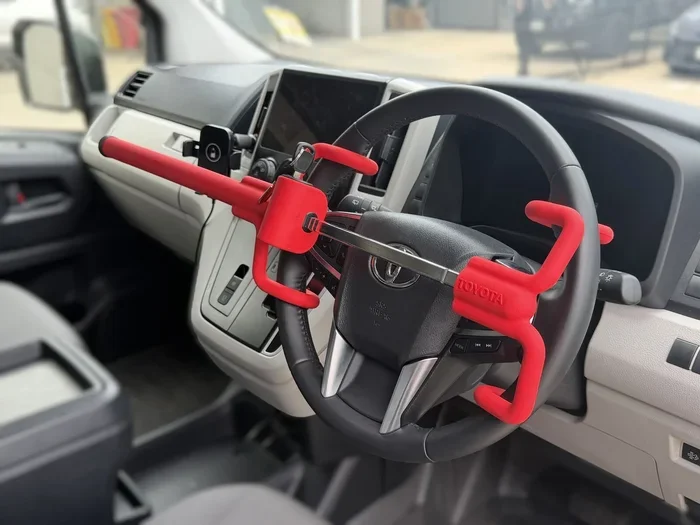

Getting stuck with a locked steering wheel is frustrating, but you can fix it quickly with the right steps. This guide shows you exactly how to unlock a steering wheel Toyota models without causing damage. You will learn simple tricks, key-related fixes, and when to seek professional help. Follow these safe methods to get back on the road with confidence.
Key Takeaways
- Quick steering lock fix: Gently turn the wheel while inserting the key to release the lock pin.
- Key condition matters: A worn or low-transponder key often causes stubborn steering locks.
- Shift interlock link: Sometimes the brake-shift interlock affects key turnover and wheel release.
- Battery and ignition tips: A weak battery or faulty ignition switch can mimic a locked steering wheel.
- Avoid forced turning: Do not force the wheel or key, as this can damage the lock mechanism.
- Model-specific steps: Procedures vary slightly by model, so check your owner’s manual for exact steps.
- When to seek help: If the wheel stays locked after multiple careful attempts, consult a Toyota dealer or locksmith.
📑 Table of Contents
- Why Your Steering Wheel Locks in Toyota Vehicles
- How to Unlock a Steering Wheel Toyota With the Right Key Technique
- Key, Ignition, and Battery Factors That Affect the Lock
- Model Variations and Steering Lock Differences
- Common Mistakes to Avoid When Releasing the Lock
- Practical Tips for Smooth Steering Lock Operation
- When to Seek Professional Help
- Final Thoughts on How to Unlock a Steering Wheel Toyota
Why Your Steering Wheel Locks in Toyota Vehicles
A steering wheel lock is a safety feature. It keeps the wheel from turning when the car is off. This helps prevent theft and reduces wear on the steering components. In Toyota vehicles, the lock often engages when you turn the wheel after removing the key. It can also happen if the key is not fully seated in the ignition. Sometimes, the lock feels extra stiff because the wheel was moved while the key was out.
You may notice the lock during cold weather or after the car sits for a while. Moisture, dust, or a slightly worn lock assembly can make the mechanism feel tight. The good news is that this is usually a normal part of the design, not a major failure. Understanding why it happens makes it easier to release it safely.
How the Lock Mechanism Works
Inside the steering column, a small pin connects to the ignition lock body. When you remove the key, the pin drops into place. It holds the wheel in a fixed position. When you insert the key and turn it to the ON or START position, the pin retracts. That allows the wheel to move freely again. If the wheel is under pressure, the pin may not retract smoothly. That is why a little gentle movement often helps.
Common Triggers for a Stuck Lock
Several simple situations can make the lock feel stuck. Knowing these can save you time and stress.
- You turned the wheel after removing the key.
- The key is not fully inserted or is slightly worn.
- The ignition lock cylinder feels stiff from age or use.
- The vehicle battery is weak, affecting electronic shift interlocks.
- The steering column is under tension from parking on a slope.
How to Unlock a Steering Wheel Toyota With the Right Key Technique
The fastest fix is often the simplest one. Start by inserting the key fully into the ignition. Hold the key gently in the ON position. At the same time, apply very light pressure to the steering wheel. Move the wheel a small amount in either direction. You are not trying to force it. You are just relieving pressure on the lock pin. Many Toyota owners find that the wheel clicks free once the pressure is released.

Visual guide about Toyota steering wheel lock
Image source: i.ytimg.com
If the key does not turn, do not twist harder. Stop and check the key shape and condition. A bent or worn key may not line up with the internal wafers. Try a spare key if you have one. A spare key often has less wear and can turn more smoothly. This simple step solves many lock issues without any tools.
Step-by-Step Release Method
Use this calm, repeatable process. It works for many Toyota models and reduces the chance of damage.
- Sit in the driver seat and relax your hands.
- Insert the key all the way into the ignition.
- Turn the key slightly toward the ON position.
- Apply light pressure to the wheel left, then right.
- Feel for a soft click or release of tension.
- Turn the key fully to ON once the wheel moves.
- Start the engine normally if the vehicle is ready.
Quick Tip: Keep your movements small and gentle. Large, forceful turns can bind the lock pin more tightly. Patience works better than force.
When a Spare Key Helps
A spare key can be a useful backup. Over time, the main key can develop tiny wear patterns. Those patterns may make the ignition harder to turn. If the spare key turns more easily, the issue may be key wear rather than a serious column problem. Keep your spare key in good shape and avoid bending it. A smooth key improves the whole ignition experience.
Key, Ignition, and Battery Factors That Affect the Lock
The steering lock does not work alone. It interacts with the key, the ignition cylinder, and sometimes the vehicle’s electronics. A weak battery can cause odd behavior in modern Toyotas. If the car uses an electronic shift interlock, a low battery may prevent the shifter from moving. That can make the whole process feel like a steering lock problem. If your key turns but the car does not respond normally, check the battery first.
The ignition lock cylinder can also become stiff. This happens with age, dust, or infrequent use. A small amount of approved lock lubricant may help, but use it carefully. Too much product can attract dirt. If the cylinder feels rough or gritty, it may need professional attention. Ignoring a bad cylinder can lead to more key turnover problems later.
Signs the Key Is the Problem
Watch for these clues. They often point to the key rather than the steering column.
- The key feels loose or does not seat fully.
- The key turns with a grinding feel.
- Only one key works, while the spare turns smoothly.
- The key is visibly worn or bent.
- The key works in other locks but not the ignition.
Battery and Shift Interlock Considerations
Some Toyota models link the shift interlock to the ignition system. If the car will not shift out of PARK, you may think the steering wheel is the issue. In reality, the brake-shift interlock may need attention. Try the brake pedal firmly while shifting. If the shifter still will not move, check whether the battery is charged. A weak battery can cause several small issues at once. For more on related Toyota tasks, you may also find it helpful to review how to start a Toyota Prius and how to start Toyota Corolla with key fob.
Model Variations and Steering Lock Differences
Toyota makes many vehicles, and small differences exist between them. A sedan, a crossover, and a hybrid may each feel a little different at the wheel. Some models use a traditional ignition cylinder. Others rely more on push-button or smart key systems. The basic idea stays the same, but the release feel can vary. If you drive a Corolla, Camry, RAV4, or Prius, the lock behavior may not be identical.
It helps to know your specific model’s normal behavior. For example, some vehicles release the lock as soon as the key reaches ON. Others need a small amount of wheel movement first. If you recently switched Toyota models, expect a short adjustment period. The more you know your car, the easier these little quirks become to handle.
Sedans and Compact Models
In many sedans, the lock feels firm but predictable. The wheel usually releases with gentle movement and a properly seated key. These models often have a straightforward ignition layout. That makes the process simple once you learn the feel. If the wheel stays tight, check the key and the ignition first.
Crossovers and Hybrids
In crossovers and hybrids, electronic features may play a larger role. A push-button start system may require the key fob to be inside the cabin. If the system does not detect the fob, the start process may not complete normally. That can make the steering wheel feel locked even when the real issue is key detection. For related Toyota how-to topics, you can also explore how to remote start Toyota Rav4 2024 and how to connect Bluetooth to a Toyota Camry.
Common Mistakes to Avoid When Releasing the Lock
A locked steering wheel is annoying, but the wrong response can make it worse. The most common mistake is forcing the wheel. Strong pressure can bend components or strain the lock pin. Another mistake is jiggling the key too aggressively. That can wear the key or stress the ignition cylinder. A calm, steady approach is safer and more effective.
People also forget to check the simple things. They assume the problem is major when the key is just not fully seated. Others try to start the car without first releasing the wheel tension. That can make the key feel stuck. Taking a moment to check the basics often solves the issue faster than guessing.
Mistakes That Can Cause Damage
Avoid these habits if you want to protect your steering column.
- Do not wrench the wheel back and forth hard.
- Do not hammer or tap the ignition area.
- Do not use unapproved oils or thick greases.
- Do not keep trying a badly worn key for long periods.
- Do not ignore a key that suddenly stops turning.
Expert Insight: If the lock feels different from normal, stop and assess. A sudden change can mean a worn key, a stiff cylinder, or an electrical issue. Small problems are easier to fix when you catch them early.
Practical Tips for Smooth Steering Lock Operation
Good habits reduce lock problems over time. Park on level ground when you can. Center the wheel before turning the car off. This reduces tension on the lock pin. It also makes the next start feel smoother. If you often park on hills, use the parking brake properly and leave the wheels pointed straight when possible.
Keep your key in good condition. Avoid carrying it with heavy items that can bend it. Check the key occasionally for wear. If you notice rough turning, try the spare key and monitor the pattern. A little attention now can prevent a frustrating moment later. If you ever need to handle other Toyota basics, you might also look at how to change the battery in a Toyota key and how to reset maintenance required on Toyota Corolla.
Best Practices for Daily Use
These simple habits help keep the lock working normally.
- Turn off the engine with the wheel close to center.
- Remove the key only after the car is fully off.
- Store keys separately to reduce wear and bending.
- Keep the ignition area clean and free of debris.
- Use the spare key if the primary key feels rough.
- Pay attention to early signs of stiffness.
When Lubrication May Help
A tiny amount of suitable lock lubricant can improve a stiff ignition cylinder. Use it sparingly and only in the keyway if the product is designed for that purpose. Overusing lubricant can attract dust and make the problem worse later. If the cylinder still feels gritty after careful cleaning and minimal lubrication, it may need service. A professional can inspect the internal components safely.
When to Seek Professional Help
Most steering lock issues are minor and resolve with careful handling. Still, some situations call for expert help. If the key will not turn at all, or if it turns but the wheel remains locked, the problem may be deeper. If the ignition cylinder feels broken, loose, or inconsistent, a technician should inspect it. If you suspect a fault with the shift interlock or the battery system, that also deserves a closer look.
A Toyota dealer or a qualified locksmith can diagnose the issue without guesswork. They can check the key, the cylinder, and the column components. If a part is worn, they can recommend the right repair. Getting help early often prevents a small issue from becoming a bigger one. For other Toyota maintenance topics, you may also want to read how to reset tire pressure light on Toyota Corolla and how to reset maintenance required light on Toyota Rav4.
Warning Signs That Need Attention
Do not ignore these signs. They suggest the lock or related system needs service.
- The key turns but the dashboard does not respond normally.
- The steering wheel stays locked after many careful attempts.
- The ignition feels loose, jumpy, or inconsistent.
- The car will not shift out of PARK even with the brake pedal pressed.
- The key snaps, bends, or becomes difficult to remove.
Final Thoughts on How to Unlock a Steering Wheel Toyota
A locked steering wheel is usually a normal safety feature, not a disaster. With the right approach, you can release it safely and get moving again. Start with the key, relieve wheel tension gently, and avoid force. Check the battery, the shift interlock, and the key condition if the problem continues. These steps cover most situations and keep you in control.
Remember that small habits make a big difference. Center the wheel before shutting off the car. Keep your keys in good shape. Use the spare key when needed. If the lock behaves unusually, get it checked before it becomes a larger issue. Once you know how to unlock a steering wheel Toyota vehicles with confidence, the process becomes quick, calm, and routine.
Frequently Asked Questions
Why is my Toyota steering wheel locked in the first place?
The lock engages as a theft deterrent and safety feature when the key is removed. It often happens if the wheel is moved after the key comes out. This is normal and usually releases with the key and gentle wheel pressure.
What should I do if the key will not turn at all?
Insert the key fully and check that it is not bent or worn. Try a spare key if you have one. If the key still will not turn, stop forcing it and have the ignition cylinder inspected.
Can a weak battery cause steering lock problems?
A weak battery can affect electronic systems, including shift interlocks, which may make the car feel stuck. If the key turns but the vehicle does not respond normally, check the battery and charging system.
Is it safe to use lubricant on the ignition lock?
A small amount of approved lock lubricant may help a stiff cylinder, but use it carefully. Too much product can attract dirt and make the lock worse over time. If the problem continues, seek professional service.
Do all Toyota models unlock the same way?
Most models follow the same basic idea, but the feel can vary by vehicle and ignition type. Traditional keys and push-button systems may behave a little differently. Check your owner’s manual for model-specific guidance.
When should I take my Toyota to a dealer or locksmith?
If the key turns but the wheel stays locked, or if the ignition feels damaged or inconsistent, it is time for professional help. A technician can check the key, cylinder, and column components safely.