
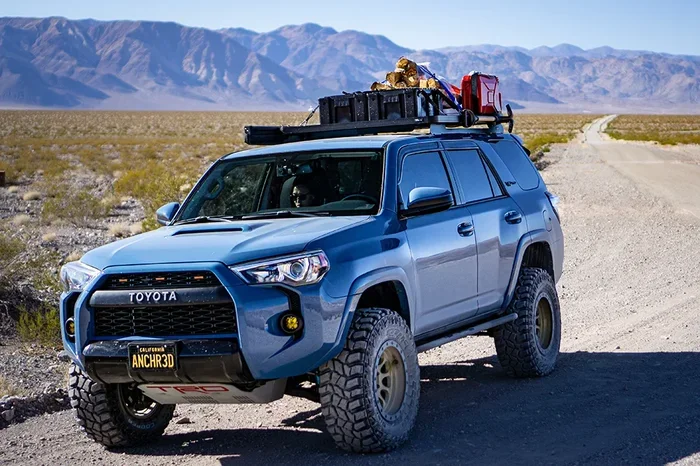
If you are wondering how long will a Toyota 4Runner last, the answer is often beyond 200,000 miles with proper care. These rugged SUVs are built for durability, making them a top choice for long-term ownership. We will explore the factors that help them survive, common maintenance needs, and real-world mileage expectations.
Key Takeaways
- Exceptional Lifespan: A well-maintained Toyota 4Runner can easily reach 200,000 to 300,000 miles.
- Engine Durability: The 4Runner’s powertrain is designed for toughness and reliable performance over decades.
- Maintenance Matters: Regular oil changes, fluid checks, and timely repairs are crucial for longevity.
- Body Strength: The body-on-frame construction helps the vehicle handle rough terrain and heavy use.
- Resale Value: High durability contributes to strong resale values, making them a smart financial investment.
- Common Issues: Watch for suspension wear, brake components, and minor electrical gremlins as mileage climbs.
- Driving Habits: Gentle driving and avoiding excessive strain can significantly extend the life of your 4Runner.
📑 Table of Contents
Introduction
When you think about buying a vehicle that will stay with you for years, durability is key. People often ask how long will a Toyota 4Runner last because they want a car that does not quit on them. This SUV has a reputation for being tough and reliable. It is the kind of vehicle that can handle daily commutes, family trips, and even off-road adventures.
Many owners report driving their 4Runners for well over a decade. Some even push past 200,000 miles without major failures. This guide will break down why these vehicles are so durable. We will also look at what you can do to keep yours running strong for as long as possible.
How Long Will a Toyota 4Runner Last: Mileage and Years
The short answer is that a Toyota 4Runner can last a very long time. Most experts and owners agree that these SUVs can reach 200,000 miles or more. In terms of years, many 4Runners stay on the road for 15 to 20 years. Some even go beyond that with the right care.
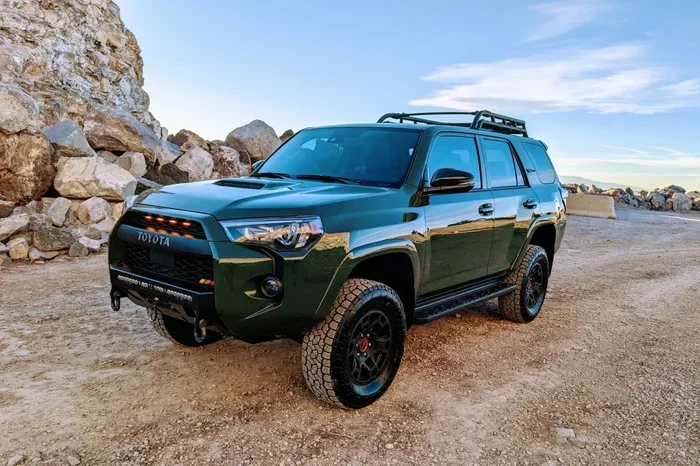
Visual guide about Toyota 4Runner off road
Image source: bringatrailer.com
Several factors affect how long your 4Runner will last. These include how you drive, where you drive, and how well you maintain the vehicle. A 4Runner used for gentle city driving might last longer than one used for heavy towing or extreme off-roading. However, even hard-working 4Runners tend to hold up well compared to other SUVs.
Real-World Examples
You can find many stories online from owners who have hit high mileage. Some drivers share tales of their 4Runners reaching 300,000 miles. These are not just rare exceptions. They show what is possible when you take care of the vehicle. The 4Runner is known for its robust build quality. This helps it withstand wear and tear over time.
If you are looking at used models, you can often find 4Runners with high mileage that still run well. This is a big reason why they hold their value so well. People know they are getting a vehicle that has plenty of life left.
Why Toyota 4Runners Are Built to Last
Toyota has a strong reputation for building reliable cars. This reputation extends to the 4Runner. The vehicle uses a body-on-frame design. This means the body sits on a strong frame, similar to a truck. This construction makes the SUV sturdy and capable of handling rough conditions.
Powertrain Reliability
The engine and transmission in a 4Runner are designed for durability. They are proven components that have been used in various Toyota vehicles. The powertrain does not have complex parts that are prone to frequent failure. This simplicity helps with long-term reliability. When you look at why does Toyota last so long, the engineering philosophy is a major reason. Toyota focuses on making parts that can handle stress and wear.
You can learn more about Toyota’s approach to durability in our article on why does Toyota last so long. This gives you a deeper look at the company’s building standards.
Build Quality and Materials
Toyota uses quality materials in the 4Runner. The metal components are strong. The suspension parts are designed to take a beating. Even the interior components are built to last. While some plastics may wear over time, the core mechanical parts remain solid. This attention to build quality helps the vehicle survive for many years.
If you are curious about other Toyota models and their longevity, you might also want to check out why do Toyota s last so long. It covers similar points about the brand’s commitment to durability.
Maintenance Tips to Extend 4Runner Life
Keeping your 4Runner running for a long time requires regular maintenance. You cannot just drive it and ignore service needs. Here are some key tips to help you maximize the lifespan of your vehicle.
Regular Oil Changes
Changing the oil on time is one of the most important things you can do. Clean oil lubricates the engine and prevents wear. Follow the schedule in your owner’s manual. If you drive in harsh conditions, you may need to change the oil more often. Using the right type of oil is also important. For example, if you have an older model, you might need to know what type of oil does a 2007 Toyota Camry take as a reference for similar engines, though always check your 4Runner’s manual for the exact spec.
Fluid Checks and Replacements
Besides oil, you need to check other fluids. This includes coolant, brake fluid, transmission fluid, and differential fluid. Low or dirty fluids can cause damage. Replace them according to the maintenance schedule. Fresh fluids help all parts of the vehicle work smoothly.
Suspension and Brake Care
The 4Runner has a solid suspension system. Over time, parts like bushings, ball joints, and shocks can wear out. Listen for clunks or vibrations. Check your brakes regularly. Worn brake pads or rotors can affect safety and performance. Replacing these parts early can prevent more costly damage later.
Quick Tips for Longevity
- Follow the Schedule: Stick to the maintenance intervals in your manual.
- Listen to Your Car: Pay attention to unusual noises or warning lights.
- Keep It Clean: Wash your 4Runner to prevent rust, especially in salty areas.
- Drive Smart: Avoid harsh acceleration and braking when possible.
- Store Properly: If you store the vehicle for a long time, take steps to protect the battery and tires.
Common Issues to Watch For
Even though the 4Runner is very reliable, no vehicle is perfect. As mileage increases, some parts may need attention. Knowing what to look for can help you address problems early.
Suspension Wear
The suspension takes a lot of stress, especially if you go off-road. Worn suspension components can cause a rough ride or handling issues. Regular inspections can catch these problems. Replacing worn parts helps maintain the vehicle’s stability and comfort.
Electrical Gremlins
Some owners report minor electrical issues over time. These can include problems with sensors, lights, or the infotainment system. While these are usually not major failures, they can be annoying. Checking connections and updating software can sometimes resolve these issues.
Brake Components
Brake pads and rotors wear down with use. If you notice reduced braking performance or squealing noises, it is time to check your brakes. Replacing brake components is a routine maintenance task. Doing it on time keeps your 4Runner safe and reliable.
How Driving Habits Affect Longevity
How you drive plays a big role in how long your 4Runner lasts. Gentle driving puts less stress on the engine and other parts. Aggressive driving can cause faster wear. Here are some habits to consider.
Smooth Acceleration and Braking
Try to accelerate and brake smoothly. Sudden stops and starts put extra strain on the brakes and transmission. This can lead to faster wear. A smooth driving style helps all components last longer.
Avoiding Overloading
The 4Runner can carry a good amount of cargo and passengers. However, overloading it can stress the suspension and brakes. Check the payload capacity in your manual. Do not exceed the recommended limits. Keeping the load within limits helps the vehicle handle better and last longer.
Off-Roading Considerations
Many people buy a 4Runner for off-roading. This is fun, but it can be hard on the vehicle. If you go off-road often, inspect your 4Runner more frequently. Check for damage to the undercarriage, tires, and suspension. Addressing damage right away prevents bigger problems.
Resale Value and Long-Term Ownership
One of the benefits of a long-lasting vehicle is strong resale value. Because the 4Runner is known for durability, people are willing to pay more for used models. This makes it a smart financial choice. You can drive it for many years and still get a good price when you sell it.
Long-term ownership also means you get to know your vehicle well. You learn its quirks and how to care for it. This can make the driving experience more enjoyable. If you plan to keep your 4Runner for a long time, investing in maintenance is worth it. It saves you money on repairs and keeps the vehicle running smoothly.
If you are thinking about other Toyota options, you might wonder about their capabilities. For example, you can read will a Toyota Tacoma pull a camper to see how other Toyota trucks handle towing. This can help you compare different models for your needs.
Expert Insights on 4Runner Longevity
Experts agree that the Toyota 4Runner is one of the most durable SUVs on the market. Mechanics often see 4Runners with high mileage that still run well. This is a testament to the vehicle’s design and build quality. The simplicity of the powertrain and the strength of the frame contribute to this reliability.
Experts also emphasize the importance of maintenance. Even the best vehicle needs care. Regular service helps catch small issues before they become big problems. This proactive approach is key to maximizing the life of any vehicle, including the 4Runner.
Conclusion
So, how long will a Toyota 4Runner last? The answer is impressively long. With proper care, these SUVs can reach 200,000 miles or more and stay on the road for 15 to 20 years. Their body-on-frame construction, reliable powertrain, and quality build make them stand out. By following a regular maintenance schedule and driving smart, you can keep your 4Runner running strong for many years. Whether you use it for daily driving or adventures, the 4Runner is a vehicle that is built to last.
Frequently Asked Questions
Can a Toyota 4Runner reach 300,000 miles?
Yes, a Toyota 4Runner can reach 300,000 miles with excellent maintenance and care. While not every vehicle will hit this number, many owners report achieving it. Regular service and addressing issues early are key to reaching such high mileage.
What is the average lifespan of a Toyota 4Runner?
The average lifespan of a Toyota 4Runner is typically 15 to 20 years or 200,000 to 300,000 miles. This can vary based on driving conditions and maintenance habits. Many 4Runners continue to run well beyond these averages with proper care.
Does the 4Runner require special maintenance for longevity?
The 4Runner does not require special maintenance beyond standard service intervals. However, following the manufacturer’s schedule closely is important. Using quality parts and fluids, and addressing wear items like suspension and brakes promptly, helps maximize longevity.
Are Toyota 4Runners good for off-roading and daily driving?
Yes, Toyota 4Runners are excellent for both off-roading and daily driving. Their durable build handles rough terrain well, while their comfort and reliability make them suitable for everyday use. This versatility is one reason they are so popular and long-lasting.
What are the most common problems in high-mileage 4Runners?
Common problems in high-mileage 4Runners include suspension wear, brake component wear, and minor electrical issues. These are typical for any vehicle with high mileage. Regular inspections and timely repairs can manage these issues effectively.
How does the 4Runner compare to other SUVs in terms of lifespan?
The 4Runner often outlasts many other SUVs due to its body-on-frame design and proven powertrain. While some competitors offer good longevity, the 4Runner has a strong reputation for reaching very high mileage with fewer major issues. This makes it a top choice for long-term ownership.