
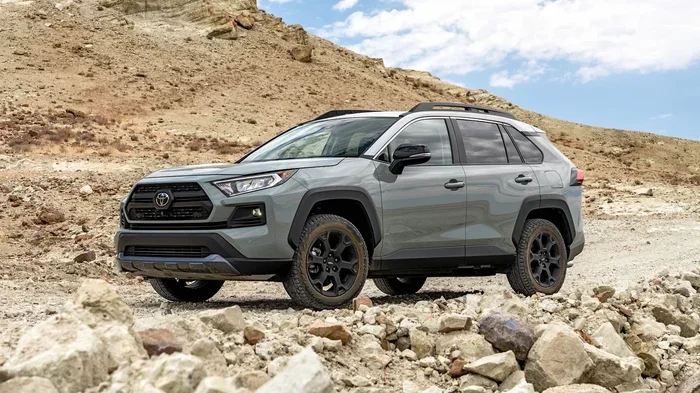
Are Toyota RAV4s four-wheel drive? The answer depends on the specific model you choose. While the base RAV4 comes with front-wheel drive, Toyota offers an all-wheel drive option on most trims. This guide breaks down the drivetrain choices, performance differences, and which setup works best for your lifestyle.
Are Toyota RAV4s four-wheel drive? This is one of the most common questions buyers ask before picking a new SUV. The short answer is that some RAV4s have four-wheel drive, but not all of them do. Toyota gives buyers a clear choice between front-wheel drive and all-wheel drive. The right pick depends on where you live, how you drive, and what you need from your vehicle.
The RAV4 has been a top-selling compact SUV for decades. People love it for its practical size, solid reliability, and flexible powertrain options. Toyota designed the RAV4 to work well in daily city traffic, but it also handles rough weather and light trails when equipped properly. Understanding the drivetrain options helps you avoid paying for features you do not need. It also keeps you from buying the wrong setup for your climate or lifestyle.
In this guide, we will walk through everything you need to know about RAV4 drivetrains. We will cover the difference between front-wheel drive and all-wheel drive, explain which trims get which system, and look at real-world performance. You will also learn about fuel economy, towing, winter driving, and how the hybrid model changes the equation. By the end, you will know exactly which RAV4 fits your needs.
Key Takeaways
- Not all RAV4s are four-wheel drive: Base models use front-wheel drive, while AWD is an available option.
- AWD improves traction: All-wheel drive helps in snow, rain, and light off-road conditions.
- Fuel economy varies: FWD models get better gas mileage than AWD versions.
- AWD costs more: Adding all-wheel drive increases the purchase price and maintenance needs.
- RAV4 Hybrid offers AWD: The hybrid model includes an electric motor for rear-wheel power.
- Daily driving needs matter: Most city drivers do fine with FWD, but AWD suits active lifestyles.
- Check trim levels carefully: AWD availability depends on the year, trim, and market.
📑 Table of Contents
- Understanding Front-Wheel Drive vs All-Wheel Drive in the RAV4
- Are Toyota RAV4s Four-Wheel Drive Across All Trims?
- How the RAV4 AWD System Performs in Real Life
- RAV4 Hybrid and Its AWD Setup
- Fuel Economy, Cost, and Long-Term Ownership
- Who Should Buy AWD and Who Can Stick With FWD?
- Final Thoughts on RAV4 Drivetrains
Understanding Front-Wheel Drive vs All-Wheel Drive in the RAV4
Before we dive into trim levels, it helps to understand the basic difference between front-wheel drive and all-wheel drive. Front-wheel drive sends power only to the front wheels. This setup is simpler, lighter, and usually more affordable. It works well on dry pavement and handles most daily driving tasks with ease.
All-wheel drive sends power to all four wheels. The system can shift power front to back depending on traction needs. This gives you better grip when roads are wet, icy, or covered in light snow. It also helps when you drive on loose gravel or muddy paths. The tradeoff is that AWD adds weight, complexity, and cost to the vehicle.
How Toyota Designs the RAV4 Drivetrain
Toyota builds the RAV4 with a front-biased setup. Even the AWD models start with a front-wheel drive foundation. When the system senses slip, it sends power to the rear wheels. This keeps the vehicle efficient during normal driving while adding confidence when conditions get tough.
The RAV4 AWD system is not meant for heavy rock crawling or deep mud. It is designed for everyday traction support. Think of it as a smart helper that steps in when the road gets slippery. For most buyers, this is exactly what they need from a compact family SUV.
Quick Tips for Choosing Your Drivetrain
- Live in a mild climate? Front-wheel drive is usually enough for dry or lightly wet roads.
- Deal with snow or rain often? All-wheel drive adds valuable traction and peace of mind.
- Want better fuel economy? Front-wheel drive models typically use less gas.
- Plan to drive on rough roads? AWD gives you more control on loose or uneven surfaces.
Are Toyota RAV4s Four-Wheel Drive Across All Trims?
Are Toyota RAV4s four-wheel drive on every trim? No, they are not. Toyota offers front-wheel drive as the standard setup on most base trims. All-wheel drive is available as an option or standard feature on higher trims, depending on the model year and market. This means you can choose the drivetrain that matches your budget and driving needs.
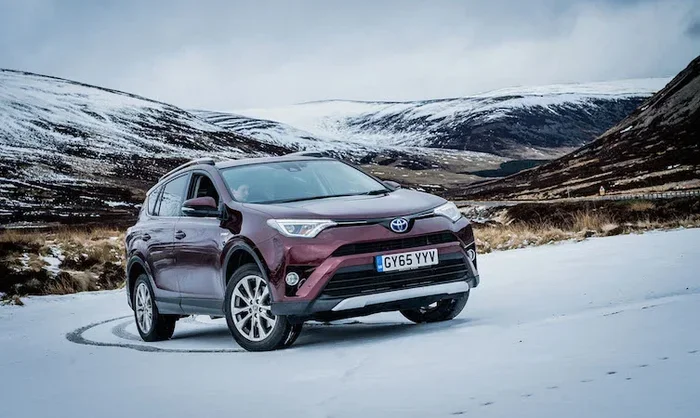
Visual guide about Toyota RAV4 four-wheel drive
Image source: mag.toyota.co.uk
The base LE trim often comes with front-wheel drive. Buyers who want AWD can usually add it for a fee. Mid-level trims like the XLE and XLE Premium frequently offer AWD as an option. Upper trims such as the Limited, Adventure, and TRD Off-Road often include AWD as standard equipment. This gives the RAV4 a wide range of drivetrain choices within one model line.
Trim Level Breakdown for Drivetrain Options
Here is a simple look at how drivetrains typically line up across common RAV4 trims. Keep in mind that exact setups can change by year and region.
| Trim Level | Standard Drivetrain | AWD Availability | Best For |
|---|---|---|---|
| LE | Front-Wheel Drive | Optional | Budget buyers, city driving |
| XLE | Front-Wheel Drive | Optional | Families, daily commuting |
| XLE Premium | Front-Wheel Drive | Optional | Comfort, tech features |
| Limited | All-Wheel Drive | Standard | Premium feel, all-weather use |
| Adventure | All-Wheel Drive | Standard | Light off-road, outdoor use |
| TRD Off-Road | All-Wheel Drive | Standard | Rugged styling, tougher terrain |
Common Mistakes When Picking a RAV4 Drivetrain
- Assuming every RAV4 has AWD. Many buyers skip the spec sheet and miss this key detail.
- Paying for AWD you do not need. If you rarely face snow or rough roads, FWD may save you money.
- Ignoring fuel economy differences. AWD models usually burn more fuel than FWD versions.
- Forgetting to check the hybrid option. The RAV4 Hybrid uses a different AWD system that can change your decision.
How the RAV4 AWD System Performs in Real Life
When people ask whether the RAV4 is four-wheel drive, they often want to know how it behaves on the road. The AWD system shines in slippery conditions. It helps the vehicle start smoothly on wet pavement and climb gentle hills without spinning out. It also adds stability when you pass through standing water or drive on packed snow.
In normal dry driving, the AWD system stays quiet and mostly sends power to the front. This keeps fuel use closer to a front-wheel drive setup during everyday trips. The system only wakes up when it detects a loss of traction. That smart design helps balance capability with efficiency.
Winter Driving and Snow Performance
If you live where winters bring snow and ice, AWD can make a big difference. It helps with acceleration and initial movement from a stop. It also improves confidence on slippery highways. However, AWD does not replace good tires. Winter tires still matter a lot for braking and cornering in cold weather.
Many RAV4 owners in snowy regions choose AWD and pair it with all-season or winter tires. This combination gives the vehicle a strong all-weather reputation. If you want more detail on how Toyotas handle winter conditions, you can read our guide on Are Toyota Corollas Good In The Snow for a closer look at traction in cold climates.
Light Off-Road and Rough Road Use
The RAV4 AWD is capable on light trails, dirt roads, and gravel paths. It is not a heavy-duty off-roader, but it handles weekend adventures well. Higher trims like Adventure and TRD Off-Road add tougher styling, better ground clearance, and more rugged tuning. These models are a good fit if you want a capable daily SUV that can also handle unpaved roads.
If you are curious about other Toyota SUVs and their drivetrain setups, check out our article on Are All Toyota Rav4 All Wheel Drive. It gives a broader view of RAV4 drivetrain options and how they compare.
RAV4 Hybrid and Its AWD Setup
The RAV4 Hybrid adds an interesting twist to the drivetrain question. Instead of a traditional mechanical driveshaft to the rear, the hybrid uses an electric motor to power the rear wheels when needed. This creates an on-demand all-wheel drive system that feels smooth and responsive.
The hybrid setup can be especially helpful in wet or snowy conditions. The electric rear motor can send power quickly when the front wheels start to slip. Many drivers like the hybrid because it combines strong fuel economy with added traction. It is a smart middle ground for people who want efficiency without giving up all-weather confidence.
Hybrid AWD vs Traditional AWD
Both systems improve traction, but they work in different ways. The traditional AWD system uses a mechanical connection to the rear wheels. The hybrid AWD system uses an electric motor at the rear. Each approach has strengths, and both are effective for everyday use.
- Traditional AWD: Strong, familiar, and widely used across many trims.
- Hybrid AWD: Efficient, smooth, and especially useful in slippery conditions.
- Fuel economy: Hybrid models usually lead in gas mileage, even with AWD.
- Driving feel: Hybrid AWD can feel quick and natural during low-traction moments.
Fuel Economy, Cost, and Long-Term Ownership
Drivetrain choice affects more than just traction. It also changes fuel economy, purchase price, and long-term ownership costs. Front-wheel drive RAV4 models usually get the best gas mileage. All-wheel drive models add weight and mechanical drag, which can lower efficiency slightly.
The price gap between FWD and AWD can be noticeable. AWD often adds hundreds or more to the sticker price, depending on the trim. Over time, that difference may also affect maintenance. More moving parts can mean more service needs, though Toyota’s AWD systems are known for being dependable when cared for properly.
What to Expect Over Time
Most RAV4 owners value reliability above all else. Toyota has a strong reputation for building drivetrains that last. Regular maintenance, timely fluid changes, and proper tire care help the AWD system stay healthy. If you keep up with service, the drivetrain should give you many smooth miles.
If you are comparing Toyota reliability more broadly, you may find our piece on Are Hondas Or Toyotas More Reliable useful. It offers a helpful comparison for buyers weighing long-term ownership.
Quick Tips for Owning an AWD RAV4
- Keep tires matched. All four tires should have similar tread depth and wear.
- Replace tires in sets. Mixing old and new tires can stress the drivetrain.
- Follow service intervals. Check fluid levels and schedule routine inspections.
- Use the right tires for weather. Good tires matter just as much as AWD.
Who Should Buy AWD and Who Can Stick With FWD?
The best drivetrain depends on your routine. If you drive mostly in the city, park in a garage, and rarely face harsh weather, front-wheel drive may be the smarter buy. It keeps the price lower and the fuel economy higher. For many daily commuters, FWD is more than enough.
If you drive in rain, snow, mud, or uneven terrain, AWD is worth serious consideration. It adds confidence during bad weather and gives you more control when roads are slick. Families, outdoor enthusiasts, and buyers in colder regions often prefer AWD for the extra peace of mind.
Matching the RAV4 to Your Lifestyle
Think about how you actually use your car each week. Ask yourself a few simple questions before you decide.
- Do you deal with snow or heavy rain often? AWD may be the better fit.
- Do you want the lowest possible price and best fuel economy? FWD could be ideal.
- Do you enjoy weekend drives on dirt or gravel roads? AWD adds versatility.
- Do you want a hybrid with strong efficiency and traction? The hybrid AWD model may suit you best.
If you are also comparing other Toyota models, you might want to look at Are Toyota Highlanders 4 Wheel Drive to see how a larger SUV stacks up in terms of drivetrain choices.
Final Thoughts on RAV4 Drivetrains
So, are Toyota RAV4s four-wheel drive? Some are, and some are not. Toyota gives you front-wheel drive as a solid everyday option and all-wheel drive as a smart upgrade for tougher conditions. The right choice depends on your climate, budget, and driving habits. If you want the simplest and most efficient setup, FWD works well. If you want extra traction for weather, light off-road use, or family road trips, AWD is a strong candidate.
The RAV4 remains one of the most flexible compact SUVs on the market. It can serve as a practical commuter, a dependable winter vehicle, or a capable weekend companion. By understanding the drivetrain options, you can choose the version that fits your life instead of paying for features you will never use. That is the best way to get the most value from your RAV4.
Frequently Asked Questions
Are all Toyota RAV4 models four-wheel drive?
No, not every RAV4 is four-wheel drive. Many trims come with front-wheel drive, while all-wheel drive is available on select trims or as an option. The drivetrain depends on the model year, trim level, and market.
Does the RAV4 AWD work in snow?
Yes, the RAV4 AWD system helps improve traction in snow and on slippery roads. It is especially useful for starting and maintaining control in bad weather. Still, good tires are important for safe winter driving.
Is front-wheel drive enough for the RAV4?
For many drivers, yes. Front-wheel drive works well in dry conditions and light rain. If you do not face frequent snow or rough roads, FWD can save money and improve fuel economy.
Do RAV4 Hybrid models have all-wheel drive?
Many RAV4 Hybrid models include an all-wheel drive system that uses an electric motor for the rear wheels. This gives the hybrid extra traction without sacrificing much efficiency. It is a popular choice for buyers who want both economy and grip.
Is AWD worth the extra cost on a RAV4?
It can be, especially if you live in a region with rain, snow, or uneven roads. AWD adds traction and confidence in those conditions. If you mostly drive in mild weather, FWD may be the better value.
Can a RAV4 AWD handle light off-road driving?
Yes, a RAV4 AWD can handle light off-road use such as dirt roads, gravel, and mild trails. Higher trims like Adventure and TRD Off-Road are better suited for tougher terrain. It is not built for extreme off-roading, but it is versatile for everyday adventures.