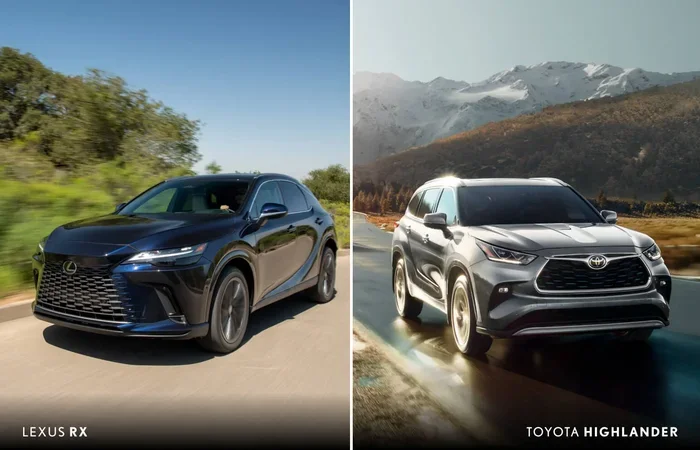

Is Lexus more reliable than Toyota? The short answer is yes, but with important caveats. Lexus benefits from Toyota’s legendary engineering DNA while adding premium materials, tighter quality control, and more refined assembly processes. However, Toyota still delivers exceptional dependability at a lower price point, making both brands top contenders for long-term ownership. This guide breaks down real-world data, maintenance patterns, and ownership costs so you can make a confident choice.
Is Lexus more reliable than Toyota? This question pops up constantly among car buyers who want peace of mind without wasting money on unnecessary repairs. The debate makes sense because both brands share deep roots, overlapping technology, and a reputation for lasting well beyond typical expectations. Yet the answer is not a simple yes or no. Reliability depends on what you measure, how you drive, and which model you choose.
In this guide, we will walk through the real differences between these two trusted names. You will learn how they compare in build quality, mechanical durability, ownership costs, and long-term performance. We will also look at common failure points, maintenance habits, and practical buying advice. By the end, you will know exactly what to expect from each brand and which one fits your lifestyle better.
Key Takeaways
- Lexus builds on Toyota’s foundation: Both brands share core engines, transmissions, and chassis technology, but Lexus adds stricter quality checks and premium components.
- Reliability rankings favor both brands: Lexus consistently tops dependability studies, while Toyota remains a close competitor with proven long-term durability.
- Maintenance costs differ: Lexus parts and labor typically cost more due to premium branding, though basic mechanical service intervals are often similar.
- Complexity affects long-term reliability: Luxury features, advanced infotainment, and air suspension systems can introduce more repair points over time.
- Toyota offers better value for budget-conscious buyers: You get legendary dependability without paying a luxury markup, making Toyota ideal for high-mileage drivers.
- Driving habits matter more than badges: Regular maintenance, gentle driving, and proper fluid changes impact reliability far more than brand reputation alone.
- Both brands excel in different segments: Lexus shines in comfort, refinement, and resale prestige, while Toyota dominates in practicality, affordability, and fleet-proven toughness.
📑 Table of Contents
How Lexus and Toyota Compare in Build Quality and Engineering
Both brands come from the same corporate family, so they share a lot under the hood. Toyota designs many of the core engines, transmissions, and safety systems that appear in Lexus vehicles. That shared foundation gives both brands a strong starting point. However, Lexus takes that foundation and refines it further. The brand focuses on smoother rides, quieter cabins, and more polished interior materials.
Quality control plays a huge role here. Lexus assembly lines often use additional inspection steps, tighter torque standards, and more rigorous testing before a vehicle leaves the factory. That extra attention can reduce early-life defects and improve fit-and-finish consistency. Toyota also maintains strong manufacturing standards, but its focus stays on efficiency, volume, and broad affordability. As a result, Toyota vehicles may show more variation across individual examples, though still well within dependable ranges.
Shared Mechanical Roots
Many Lexus models use Toyota-derived powertrains. That means the same basic engine blocks, transmission designs, and drivetrain logic can appear across both brands. This overlap matters because proven mechanical architecture tends to age well when maintained properly. If a Toyota engine has a long track record of surviving high mileage, its Lexus counterpart often inherits that same durability.
Still, Lexus sometimes tunes these components differently. You may see softer valve timing, smoother transmission calibration, or additional sound insulation. Those changes improve comfort, but they do not always change core reliability. In many cases, the biggest difference is how the vehicle feels daily rather than how long it lasts.
Materials and Interior Longevity
Interior materials matter more than people expect. Cheap plastics, weak adhesives, and poor weather sealing can create annoying failures over time. Lexus typically uses higher-grade soft-touch materials, better carpet padding, and more durable trim pieces. Those choices help the cabin age gracefully, especially in moderate climates.
Toyota interiors are practical and functional. They often use harder plastics and simpler designs, which can be less luxurious but also easier and cheaper to repair. For buyers who plan to keep a vehicle for many years, both approaches can work well. The key is knowing what kind of wear pattern you expect.
What Reliability Data Says About Both Brands
Reliability ratings come from several sources, including owner surveys, mechanic reports, and long-term fleet studies. These data sets usually show Lexus near the top, with Toyota close behind. That pattern makes sense because Lexus receives extra engineering oversight and often uses lower-volume production runs. Fewer vehicles can mean more careful monitoring and faster fixes when issues appear.
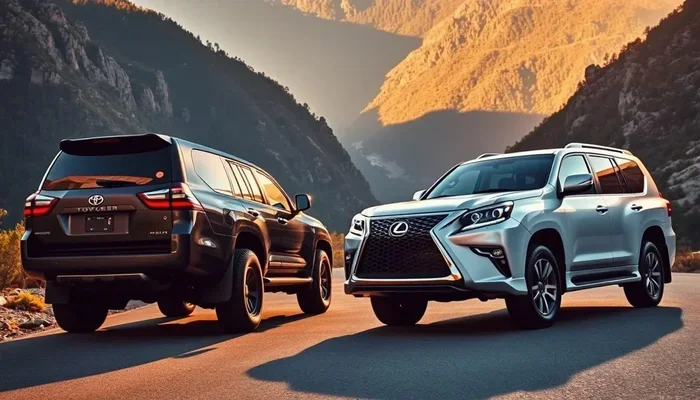
Visual guide about Lexus vs Toyota comparison
Image source: vehiclebright.com
Toyota still performs exceptionally well in most reliability studies. Its strength comes from simple designs, widespread service knowledge, and parts availability. A Toyota mechanic can often diagnose problems quickly because the brand’s technology is well understood across repair shops. That familiarity reduces misdiagnosis and helps keep repair costs manageable.
Owner Satisfaction vs Mechanical Failure Rates
Reliability is not only about broken parts. It also includes how often owners feel frustrated by small issues. Lexus tends to score highly in owner satisfaction because of smoother performance, better sound insulation, and more refined controls. Those qualities can make a car feel more dependable, even if the underlying mechanical failure rate is similar to a Toyota model.
Toyota owners often report strong satisfaction too, especially those who value straightforward driving, low running costs, and easy maintenance. If your definition of reliability is “it starts every day and keeps doing its job,” Toyota usually delivers that experience very well.
Model-by-Model Variation
Brand reputation matters, but model choice matters more. A well-designed Lexus sedan may outperform a complex Toyota SUV in long-term dependability. Likewise, a simple Toyota sedan may age better than a heavily featured Lexus model with advanced suspension or luxury electronics. Always compare specific vehicles instead of relying only on brand-level generalizations.
If you want to explore how Toyota models perform in real-world use, you may find it helpful to read about whether a Toyota Corolla is a reliable car and how that reputation translates into daily ownership.
Maintenance Costs and Long-Term Ownership Expenses
Many buyers assume Lexus costs far more to maintain, and that assumption is often true. Premium branding usually brings higher labor rates, more expensive interior parts, and pricier optional features. However, basic mechanical maintenance can be surprisingly similar between the two brands. Oil changes, brake service, tire rotations, and fluid replacements often follow comparable schedules.
The real cost difference usually appears when something goes wrong outside routine service. Lexus parts can cost more, especially for body panels, interior components, and advanced driver-assist hardware. Toyota parts tend to be more affordable and widely available, which helps reduce out-of-pocket expenses over time.
Routine Service vs Unexpected Repairs
Routine service is predictable. You can plan for oil changes, filter replacements, and scheduled inspections. Both brands generally support regular maintenance plans that keep vehicles running smoothly. The difference is that Lexus may recommend more specialized service intervals for certain luxury systems, while Toyota often keeps things simpler.
Unexpected repairs are where ownership costs can diverge. A Toyota model with a straightforward powertrain may need fewer expensive fixes over a decade. A Lexus model with air suspension, complex infotainment, or multi-link luxury chassis components may require more specialized repairs if those systems fail. That does not mean Lexus is unreliable. It means luxury features can create more repair opportunities.
Depreciation and Resale Considerations
Reliability and resale value often connect. Buyers pay more for vehicles that are known to last because they expect lower risk. Lexus usually holds value well, especially in popular sedans and crossover models. Toyota also retains value strongly, particularly in best-selling models with proven track records.
If you plan to sell or trade in after several years, both brands can work well. If you plan to keep a car for a long time, Toyota’s lower initial cost and lower repair risk may offer better overall value. If you want a more comfortable daily experience and can accept higher service costs, Lexus may be worth it.
Common Reliability Concerns and How to Avoid Them
No brand is perfect. Even highly dependable vehicles can develop issues if they are neglected, driven hard, or exposed to harsh conditions. The most common problems across both brands usually involve wear items, fluid breakdown, battery aging, and sensor failures rather than catastrophic mechanical faults.
Lexus vehicles can experience issues tied to luxury features. Infotainment glitches, sensor calibration problems, and suspension component wear may appear sooner than basic mechanical failures. Toyota vehicles can show wear in suspension bushings, interior switches, or paint finish depending on the model and environment. These are not deal-breakers, but they do require awareness.
Preventive Maintenance That Actually Helps
Good maintenance habits make a huge difference. The following habits help both Lexus and Toyota owners protect long-term reliability:
- Follow the scheduled service timeline: Do not skip oil changes, fluid checks, or inspections.
- Use quality parts and fluids: Cheap substitutes can shorten component life.
- Address small warnings early: Strange noises, warning lights, or rough shifting deserve attention.
- Keep tires balanced and aligned: Poor alignment accelerates wear on suspension and tires.
- Replace batteries before they fail: Age matters more than sudden symptoms.
- Store the vehicle properly: Sun, moisture, and extreme temperatures can speed up aging.
If you want practical guidance on keeping a Toyota running smoothly, you may also enjoy learning how to use cruise control in a Toyota and other everyday ownership skills that make driving easier and safer.
When Luxury Features Become a Weak Point
Advanced features can improve comfort, but they also add complexity. Multi-zone climate systems, premium audio setups, adaptive suspension, and driver-assist sensors can create more repair points. That does not make a vehicle unreliable by default. It simply means you should expect a different ownership experience.
If your priority is maximum simplicity, choose a model with fewer complicated subsystems. If your priority is comfort and refinement, accept that some premium features may require additional attention over time. The best choice depends on how you define reliability for your own use.
Which Brand Fits Your Driving Needs Best
The right brand depends on your priorities. If you want a vehicle that feels calm, quiet, and polished, Lexus often delivers a more luxurious experience. If you want a vehicle that keeps costs low, handles daily commuting with ease, and stays simple to service, Toyota often makes more sense. Both can be dependable. They just serve slightly different buyer profiles.
Think about how you drive. A high-mileage commuter may appreciate Toyota’s practical durability and lower running costs. Someone who spends more time on highways and values cabin comfort may lean toward Lexus. Family buyers may compare safety features, cargo space, and long-term budget impact before deciding.
Best Use Cases for Toyota
Toyota works especially well for buyers who want dependable transportation without a luxury price tag. It is a strong choice for:
- Daily commuting: Simple, efficient, and easy to live with.
- High-mileage drivers: Proven durability and affordable service.
- Budget-focused buyers: Lower upfront cost and predictable ownership expenses.
- First-time car owners: Straightforward controls and wide service support.
- Practical family use: Reliable transportation with broad model options.
Best Use Cases for Lexus
Lexus makes sense for buyers who want a more refined experience and are willing to pay for it. It often suits:
- Comfort-focused drivers: Smoother rides and quieter cabins.
- Long-term luxury seekers: Premium materials and polished detailing.
- Brand-conscious buyers: A prestige image with dependable engineering.
- Higher-budget owners: Willingness to absorb higher service costs.
- Drivers who value refinement: Better sound insulation and smoother calibration.
If you are comparing specific Toyota models for your next purchase, you might also find it useful to explore whether a Toyota Camry is a full-size vehicle and how its size and layout affect comfort and practicality.
Expert Insights and Practical Buying Advice
Experts usually agree on one important point: reliability is not just about the badge. It is about the specific model, the production year, the maintenance history, and how the vehicle has been used. A well-maintained Toyota can outlast a neglected Lexus, and a carefully chosen Lexus can deliver a more comfortable long-term experience than a basic Toyota.
When shopping, look at service records, recall history, and model-specific feedback. Ask about previous ownership patterns if you are buying used. A vehicle that was driven gently and serviced on time usually has a much better future than one chosen only because of brand reputation.
Questions to Ask Before You Buy
Use these questions to narrow your decision:
- What is the total cost of ownership over five years? Include fuel, maintenance, insurance, and likely repairs.
- Which model has the simplest powertrain option? Simpler designs often age more predictably.
- How much luxury technology do I really need? Extra features can add convenience and extra repair risk.
- What is the parts availability in my area? Easy access to service matters a lot.
- Does the vehicle fit my driving habits? The best car is the one that matches your real-world use.
Key Takeaways for Smart Buyers
The most important lesson is simple: choose the vehicle that matches your budget, driving style, and comfort expectations. Reliability is not a single score. It is a combination of engineering, maintenance, and usage. Both Lexus and Toyota can deliver excellent long-term performance when chosen wisely.
If you want a lower-cost path to dependable transportation, Toyota usually gives you strong value. If you want a more premium feel and can manage higher service costs, Lexus often justifies the difference through comfort and refinement. Either way, regular maintenance and early attention to small problems will protect your investment far more than brand name alone.
Many buyers also compare Toyota’s broader lineup before deciding. You may want to review how much a 2025 Toyota Camry costs if you are weighing a popular sedan against other options in the same segment.
Frequently Asked Questions
Is Lexus more reliable than Toyota overall?
Lexus often scores slightly higher in reliability studies because of stricter quality control and premium assembly standards. Toyota remains extremely dependable too, especially in simpler models with proven mechanics. The best choice depends on the specific vehicle and how well it is maintained.
Do Lexus and Toyota share the same engines?
Many Lexus models use Toyota-derived engines and transmissions, though tuning and calibration may differ. That shared engineering helps both brands deliver strong long-term durability. It also means service knowledge overlaps in many cases.
Are Lexus maintenance costs much higher than Toyota?
Routine maintenance can be similar, but Lexus repairs often cost more when luxury parts or specialized systems are involved. Toyota usually offers lower parts prices and broader service availability. The gap depends heavily on the model and the type of repair needed.
Which brand lasts longer in high-mileage use?
Both brands can last a long time when maintained properly. Toyota often gains an edge in high-mileage affordability because of simpler systems and lower repair costs. Lexus can also reach high mileage, especially in models with less complex luxury hardware.
Are luxury features a reliability risk in Lexus vehicles?
Luxury features can add convenience, but they may also create more repair points over time. Systems like air suspension, advanced sensors, and premium electronics can require specialized service. Simpler models usually age with fewer complications.
Should I buy Lexus or Toyota for long-term ownership?
Choose Toyota if your priority is lower cost, simple service, and practical durability. Choose Lexus if you want a more refined driving experience and are comfortable with higher ownership expenses. In both cases, regular maintenance matters more than the badge on the hood.