

Toyota Motor Corporation is a publicly traded company listed on multiple stock exchanges worldwide. Investors can buy shares through the Tokyo Stock Exchange and other major markets. This guide explains Toyota stock information, ownership structure, and what it means for everyday buyers and investors.
Many people ask the same question when they shop for a reliable vehicle or look at big auto brands. Is Toyota a publicly traded company? The short answer is yes. Toyota Motor Corporation sells shares to the public, and those shares trade on major stock markets. That means regular people, funds, and institutions can own a piece of the brand.
This matters for more than investors. When a company is public, it shares financial reports, strategy updates, and safety data with the public. That transparency can help buyers understand the brand better. It also shows how the company handles costs, innovation, and long-term plans. In this guide, we will break down Toyota stock information in simple terms. You will learn where shares trade, who owns them, and why public status matters.
Key Takeaways
- Toyota is publicly traded: Toyota Motor Corporation sells shares on major stock exchanges.
- Stock tickers vary by market: You will find different ticker symbols in Japan, the U.S., and other regions.
- Ownership is spread widely: Many institutional and retail investors own pieces of the company.
- Public status affects pricing: Stock performance can influence financing, incentives, and long-term strategy.
- Toyota remains family-influenced: The founding family and Japanese stakeholders still play a role.
- Research before investing: Check Toyota stock information, earnings, and market trends.
- Buyers benefit from transparency: Public reporting gives clear data on reliability, safety, and financial health.
📑 Table of Contents
Why People Ask If Toyota Is Public
Car shoppers often hear about stock prices, dividends, and market value. Then they wonder how that connects to the vehicles they drive every day. The truth is, public companies operate a bit differently than private ones. They answer to shareholders, release regular reports, and must follow strict rules. That can shape everything from product design to pricing.
Another reason this question comes up is global interest. Toyota is huge in many countries. People see its trucks, sedans, hybrids, and SUVs everywhere. Some readers also compare Toyota with other popular brands. For example, if you want to understand how Toyota fits into the broader market, you may also look at how reliable a Toyota Corolla is or explore Toyota Camry reliability. Those topics help show why Toyota stays so visible in the auto world.
Public Companies vs Private Companies
A public company sells ownership shares to the public. A private company does not. Public companies usually have more reporting rules. They also have more visibility in the financial news. Private companies may keep more decisions inside a smaller group. Both models can work well, but they create different habits and priorities.
For buyers, the main difference is information. Public companies publish earnings, outlooks, and other data that help people understand their health. That can be useful if you are comparing brands or thinking about long-term ownership. It also helps investors decide whether to buy shares.
Where Toyota Stock Is Listed
Toyota Motor Corporation trades on more than one exchange. Its main listing is in Japan. Many investors also follow its shares in the United States and other markets. Because of that, you may see different ticker symbols depending on where you look. The important part is that the stock is available to public investors.
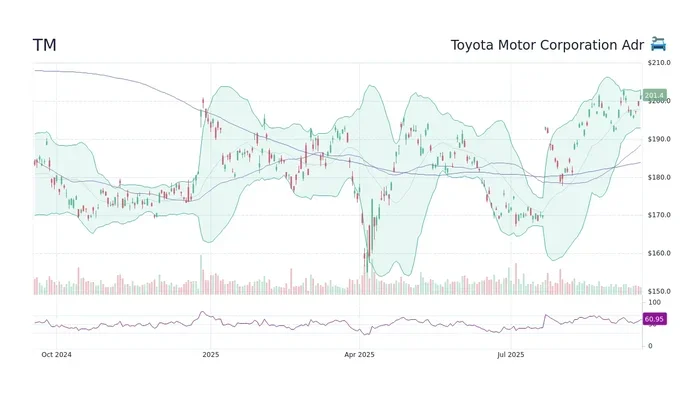
Visual guide about Toyota stock market trading
Image source: storage.googleapis.com
If you are new to investing, this can feel confusing at first. Different markets use different symbols. They also have different trading hours and currency values. Still, the basic idea stays simple. You are buying a small ownership stake in a large global company.
Tokyo Stock Exchange and Other Markets
Japan is the home market for Toyota. That is where the company has its primary listing. Many large Japanese investors, institutions, and individuals follow the stock there. The U.S. market also plays a big role because Toyota sells so many vehicles abroad.
Global listings make the company more visible. They also give investors more ways to participate. If you want to understand the bigger picture of Toyota vehicles and pricing, you might also explore the cost of a 2026 Toyota Tundra or read about Toyota Four Runner pricing. These topics show how the brand reaches different buyers with different needs.
Ticker Symbols and What They Mean
A ticker symbol is just a short code used to identify a stock. You type that code into a trading app or search tool. Then you can see the current price, charts, and recent news. Different markets may use different codes for the same company. That does not mean the company is different. It just means the stock is traded in another place.
If you are comparing Toyota with other models, it helps to think about how the brand positions itself. Some buyers care about value. Others care about towing, space, or fuel economy. You can learn more by checking the price of a new Toyota Camry or looking at the cost of a new Toyota Prius. These comparisons help show how Toyota serves many types of buyers.
Who Owns Toyota Today
Toyota is owned by its shareholders. That includes large institutions, smaller funds, and individual investors. Some shares are held by Japanese stakeholders, while others are held internationally. Because the company is public, ownership can change hands every trading day. That is normal for a large global business.
Even so, Toyota still carries some influence from its roots. The founding family and long-term Japanese stakeholders remain part of the story. Public ownership does not erase history. It simply means the company now has a wider group of owners. This mix can help the company stay stable while still growing.
Institutional Investors and Individual Shareholders
Institutional investors are large organizations that buy and hold shares. They may manage money for pensions, funds, or other groups. Individual shareholders are regular people who buy stock for their own accounts. Both groups matter. Institutions often hold large amounts, while individuals add broad public participation.
This mix matters because it affects how the company is viewed. Large investors may focus on profits, dividends, and long-term growth. Individual investors may care about brand reputation, product quality, and global reach. If you are curious about how Toyota compares with other popular vehicles, you could also read about used Toyota Camry values or check Toyota Corolla Cross pricing. These details show how the brand fits into real-world buying decisions.
Founding Family Influence
Toyota has a strong historical identity. That identity still matters, even though the company is public. The founding family and early stakeholders helped shape the brand’s culture. Over time, the business grew into a global giant. Yet the company’s Japanese roots remain part of its image and strategy.
This blend of public ownership and historical influence is common in older global companies. It can create a balance between modern market pressure and long-term thinking. For shoppers, that balance may show up in how Toyota designs vehicles, supports reliability, and plans future products.
What Public Trading Means for Toyota
Being public changes how a company communicates. It also changes how people measure success. Toyota must report earnings and explain its strategy to investors. It also needs to respond to market expectations. That does not mean it loses its identity. It simply means the company operates in a more open financial environment.
Public trading can help a company raise money for growth. It can also support new projects, factories, and technology development. At the same time, the company must pay attention to shareholder views. That can influence decisions about costs, product lines, and global expansion.
Earnings, Reports, and Investor Expectations
Public companies release regular financial updates. These reports show revenue, profit, and other key measures. Investors read them to judge performance. They also look at future guidance, which is the company’s outlook for what comes next. This cycle repeats through the year and helps shape market confidence.
Toyota’s reports matter because the auto industry is large and competitive. Buyers want dependable vehicles. Investors want steady returns. Both groups watch for signs of strength in production, sales, and innovation. If you want to compare Toyota with other models, you might also explore the value of a 2026 Toyota Camry or look at Toyota Tacoma pricing. These topics help show how the brand competes in different segments.
How Stock Performance Can Affect the Brand
Stock prices do not directly set the price of a car on a lot. But they can influence the company’s overall financial mood. A strong stock may reflect confidence in future sales and product plans. A weak stock may signal market concern. Over time, these signals can affect strategy and investment choices.
For everyday buyers, the bigger question is usually about trust. People want a brand that will stay around, support its vehicles, and keep improving. Public reporting can help show that the company is being watched and measured. That can be reassuring when you are choosing a long-term vehicle.
Why This Matters for Car Buyers
You do not need to own stock to benefit from public company transparency. Public reporting gives buyers more information about the brand’s scale, stability, and direction. It also helps compare Toyota with other major automakers. When a company is large and publicly visible, it often has more incentive to maintain quality and customer trust.
Many buyers also want to know how Toyota fits into their budget and lifestyle. Some people need a practical commuter car. Others need a truck or a family hauler. If you are comparing options, you may find it helpful to read about Toyota Forerunner pricing or check the cost of a new Toyota Sienna. These details can make your decision easier.
Reliability, Resale, and Long-Term Value
Toyota is often associated with durability and strong resale value. That reputation matters when people shop for a car they plan to keep for years. Public companies often work hard to protect their brand image because it affects sales and investor confidence. For buyers, that can mean consistent updates, service support, and product improvements.
If reliability is a top concern, you can also look at Toyota Corolla reliability or compare it with Toyota Camry dependability. These topics help show why many shoppers trust the brand for daily use.
Financing, Incentives, and Market Context
Buying a vehicle usually involves more than the sticker price. Financing terms, incentives, and market conditions all matter. Public companies operate in a larger financial system, so they are part of a broader economic picture. Interest rates, supply chains, and consumer demand can all affect what you pay.
It helps to shop with a clear plan. Decide what you need, compare a few models, and check current offers. You may also want to compare Toyota with other popular choices. For example, some buyers look at Toyota Sequoia pricing or review 2026 Toyota Sequoia costs before making a final choice.
How to Research Toyota as an Investor or Shopper
If you want to understand Toyota more deeply, start with simple research. Look at official company reports, trusted financial news, and vehicle reviews. Investors should focus on earnings, growth, and market position. Shoppers should focus on price, features, reliability, and ownership costs. Both groups can benefit from clear, steady information.
It also helps to compare Toyota with similar vehicles. That gives you context. A model may look great on its own, but comparison shows whether it fits your needs and budget. The more you compare, the easier it is to make a smart decision.
Useful Comparisons and Research Tips
Use a simple checklist when you research. Look at price, fuel economy, space, safety, and long-term costs. If you are investing, add revenue trends, product strategy, and global demand to your list. If you are buying, add comfort, warranty support, and resale value. A clear list keeps you focused.
Here is a quick comparison table to help you think about different Toyota options:
| Model Type | Common Buyer Goal | What to Compare |
|---|---|---|
| Sedan | Daily commuting and value | Fuel economy, reliability, price |
| SUV | Family space and versatility | Seating, cargo, safety features |
| Truck | Towing and work use | Tow capacity, bed size, payload |
| Hybrid | Lower fuel costs | Efficiency, battery warranty, driving feel |
If you want more specific details, you can explore topics like Toyota Four Runner pricing, Toyota Corolla Cross cost, or new Toyota Sienna pricing. These pages can help you compare real-world options.
Common Mistakes to Avoid
One common mistake is focusing only on the sticker price. That number matters, but total cost matters too. Another mistake is ignoring resale value. A cheaper car may cost more over time if it loses value quickly. A third mistake is skipping comparisons. Two vehicles can look similar until you compare space, efficiency, and features side by side.
For investors, a common mistake is chasing short-term price moves without understanding the business. It is better to look at the bigger picture. For buyers, a common mistake is choosing a model before knowing your own needs. Take a moment to define your priorities first.
Final Thoughts on Toyota’s Public Status
So, is Toyota a publicly traded company? Yes, it is. Toyota Motor Corporation shares trade on public markets, which means many investors can own part of the business. That public status brings regular reporting, wider visibility, and a broader ownership base. It also helps place Toyota in the larger auto industry landscape.
For shoppers, this matters because public companies often work hard to protect their reputation and long-term value. For investors, it matters because Toyota is a major global brand with a large market presence. Either way, understanding the company’s public nature gives you more context. It helps you see how the brand operates, how it competes, and why so many people trust it.
If you are researching Toyota for buying or investing, keep your goals clear. Compare models carefully. Read reliable information. And remember that a public company is not just a financial entity. It is also a brand that affects what you drive, how much you pay, and how confident you feel in your choice.
Frequently Asked Questions
Is Toyota a publicly traded company?
Yes, Toyota Motor Corporation is a publicly traded company. Its shares are available to investors on major stock exchanges. That means people can buy and sell ownership stakes in the business.
Where can you buy Toyota stock?
You can buy Toyota stock through brokers that offer access to the relevant markets. The main listing is in Japan, and shares are also followed in other markets. The exact ticker symbol depends on where you trade.
Does Toyota pay dividends to shareholders?
Toyota has paid dividends in the past, but dividend policy can change over time. Investors should check the latest company reports for current details. Dividends depend on earnings, strategy, and market conditions.
Who owns the majority of Toyota?
Toyota is owned by a wide group of shareholders rather than one single owner. Large institutions, individual investors, and some Japanese stakeholders all hold shares. Public trading means ownership can shift over time.
Does Toyota being public affect car prices?
Not directly. Car prices are shaped by many factors, including demand, production costs, incentives, and market conditions. Public status mainly affects how the company reports information and raises capital.
Why does it matter if Toyota is public?
It matters because public companies share more financial and operational information with the public. That can help investors judge performance and help buyers understand the brand’s scale. It also places Toyota in a broader competitive market.