
Leasing a Toyota Highlander offers a smart way to drive a reliable midsize SUV without a huge down payment. Monthly rates typically range from $350 to $550 depending on trim, credit score, and lease terms. This guide breaks down real costs, hidden fees, mileage rules, and expert tips to help you secure the best deal.
Leasing a vehicle has become a popular choice for drivers who want a fresh, reliable car without the long-term commitment of ownership. If you are eyeing a Toyota Highlander, you probably want to know exactly what you will pay each month. The answer depends on several moving parts, but the good news is that Toyota offers competitive lease programs that keep payments manageable for many buyers.
This guide walks you through every cost component so you can walk into a dealership with confidence. We will cover monthly rates, upfront expenses, mileage rules, credit requirements, and smart negotiation tactics. By the end, you will understand how much to lease a Toyota Highlander and how to avoid common money traps.
Key Takeaways
- Monthly payments vary by trim: Base LE models start around $350, while top-tier Limited or Platinum trims can reach $550+.
- Down payments and fees matter: A larger upfront payment lowers monthly costs, but acquisition and disposition fees add to the total price.
- Mileage limits are strict: Standard leases cap at 10,000 to 15,000 miles per year, with overage fees that can quickly add up.
- Credit score impacts rates: Strong credit qualifies for promotional money factors, while lower scores may face higher interest charges.
- Lease-end options provide flexibility: You can return the vehicle, buy it at residual value, or trade it in without heavy depreciation risk.
- Negotiation saves money: Focus on the capitalized cost, money factor, and mileage allowance rather than just monthly payments.
- Compare total cost, not just monthly: Always calculate drive-off costs, taxes, and fees to understand the true expense of leasing.
📑 Table of Contents
- Understanding How Much to Lease a Toyota Highlander
- Typical Monthly Rates and Trim Differences
- Upfront Costs and Drive-Off Expenses
- Mileage Limits and What Happens If You Exceed Them
- Credit Score, Money Factor, and Approval Basics
- Lease-End Options and Hidden Costs to Watch
- How to Negotiate the Best Lease Deal
Understanding How Much to Lease a Toyota Highlander
When you ask how much to lease a Toyota Highlander, you are really asking about a bundle of numbers. The monthly payment is just one piece. You also need to consider the drive-off amount, acquisition fees, taxes, registration, and any optional add-ons like gap protection or maintenance plans.
Toyota Financial Services typically structures Highlander leases with a set money factor, residual value, and mileage allowance. The capitalized cost is the negotiated price of the vehicle. The residual value is what the car is expected to be worth at the end of the lease. Your payment covers the difference between those two numbers, plus interest and fees.
Most buyers see monthly payments that fall into a predictable range. Trim level plays a huge role. A front-wheel-drive LE model costs less to lease than an all-wheel-drive Limited or Platinum trim. Local market conditions, dealer incentives, and your credit profile also shift the final number.
What Drives the Monthly Payment?
Several key factors shape your monthly bill. Understanding them helps you compare offers apples to apples.
- Trim and options: Higher trims raise the selling price, which increases the amount you finance over the lease term.
- Lease term: Thirty-six-month leases are common. Shorter terms often carry higher payments, while longer terms spread costs out but may reduce flexibility.
- Mileage allowance: More miles per year lowers the residual value, which raises the payment slightly. Fewer miles usually mean a lower payment.
- Money factor: This is the lease equivalent of an interest rate. A lower money factor means less finance charge built into your payment.
- Credit profile: Strong credit unlocks better money factors and promotional rates. Weaker credit can lead to higher effective costs.
How Toyota Structures Highlander Leases
Toyota lease programs are designed to be straightforward. You pick a trim, choose a mileage package, and agree on a term. The dealer calculates the payment using the agreed selling price, the residual value, and the money factor. You pay a drive-off amount that typically includes the first month, a security deposit, acquisition fee, and any down payment you choose to make.
It helps to think of a lease as a long-term rental with a purchase option at the end. You do not build equity like you would with a loan. Instead, you pay for the vehicle’s expected depreciation during the lease period. That is why negotiating the selling price matters just as much as the monthly payment.
Typical Monthly Rates and Trim Differences
If you are wondering how much to lease a Toyota Highlander in practical terms, the trim you choose will move the needle the most. Base models offer the lowest payments, while loaded versions with premium audio, larger screens, and advanced safety tech cost more. Here is a general breakdown of what many shoppers see in today’s market.

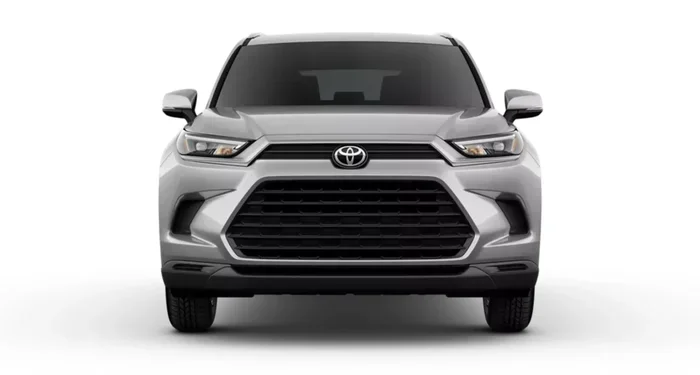
Visual guide about Toyota Highlander lease car
Image source: statenislandautolease.com
Base and Mid Trims
The LE and XLE trims are popular because they balance comfort, technology, and value. These models often land in the mid-$300s to low-$400s per month with a standard mileage allowance and a reasonable drive-off amount. Buyers who want a practical family SUV without premium extras often find these trims the sweet spot for leasing.
Higher Trims and AWD
Limited, Platinum, and hybrid-oriented setups push the selling price higher. All-wheel-drive models also carry a price premium. As a result, payments can climb into the $450 to $550 range or higher, depending on incentives and negotiated price. If you want luxury features and confident traction in varied weather, the extra cost may be worth it.
Hybrid Considerations
The Highlander Hybrid adds fuel savings and a smoother driving feel, which many families appreciate. Hybrid trims often lease for a bit more upfront because the vehicle price is higher. However, lower fuel costs can offset part of the monthly expense over time. If you drive a lot of city miles, the hybrid math can make sense.
Upfront Costs and Drive-Off Expenses
Monthly payments get most of the attention, but the drive-off amount is where many shoppers get surprised. Knowing how much to lease a Toyota Highlander means looking at the full upfront picture. A typical drive-off package includes several line items that appear at signing.
Common Fees at Signing
You should expect a few standard charges regardless of which dealer you visit. These fees cover administrative and documentation costs.
- Acquisition fee: This is charged by the leasing company to set up the lease. It is often built into the deal or rolled into the payment.
- Security deposit: Some leases require a refundable deposit equal to one month’s payment. It protects the lessor and is returned if the lease terms are met.
- First month’s payment: Most leases require the first payment at signing, separate from the down payment.
- Registration and taxes: State and local taxes vary. Some regions tax the monthly payment, while others tax the full vehicle price upfront.
- Documentation fee: Dealers charge this for processing paperwork. The amount varies by state and dealership.
Down Payment vs. Drive-Off
A down payment lowers your monthly cost, but it is not always the best move. If the vehicle is stolen or totaled early in the lease, you could lose that upfront money unless you have gap coverage. Many experts recommend keeping the drive-off amount modest and putting extra cash toward emergency savings instead.
If you want a lower payment, consider asking for a higher residual-friendly term or a better selling price rather than pouring a large down payment into the lease. That approach often preserves your cash while still reducing the monthly bill.
Mileage Limits and What Happens If You Exceed Them
One of the biggest lease rules is the mileage cap. When you calculate how much to lease a Toyota Highlander, you must decide how many miles you realistically drive each year. Standard allowances usually sit at 10,000, 12,000, or 15,000 miles annually. The choice affects both the payment and the end-of-lease risk.
Choosing the Right Mileage Package
If you commute a short distance and mostly use the SUV for errands and weekend trips, a lower mileage plan may be enough. If you take regular road trips, shuttle kids to activities, or cover a long work commute, a higher allowance is safer. The extra miles usually raise the payment slightly, but they reduce the chance of costly overage charges.
Overage Charges and How They Add Up
Excess mileage fees are charged per mile when you return the vehicle. The rate varies by lease contract, but it can become expensive quickly. For example, consistently going 3,000 miles over a year could add a noticeable amount at turn-in. The best strategy is to estimate your driving honestly before signing.
- Track your current habits: Review your past year of driving to set a realistic mileage target.
- Buy miles upfront if needed: Some leases let you pre-purchase extra miles at a lower rate than the end-of-lease penalty.
- Plan for life changes: A new job or longer commute can change your driving needs, so build in a buffer.
Credit Score, Money Factor, and Approval Basics
Your credit profile plays a major role in lease pricing. Lenders use your credit score to set the money factor, which directly influences the finance charge in your payment. If you are trying to pin down how much to lease a Toyota Highlander, it helps to know where you stand before you shop.
What Lenders Look For
Leasing companies review your credit score, payment history, debt-to-income ratio, and sometimes your employment stability. Higher scores usually qualify for promotional money factors and smoother approvals. Lower scores may still get approved, but the terms can be less favorable.
Improving Your Lease Position
A few simple steps can strengthen your application and potentially improve your offer.
- Check your credit report: Fix errors and pay down revolving balances before applying.
- Shop within a short window: Multiple lease inquiries over a focused period are often treated as a single event for scoring purposes.
- Consider a co-signer if needed: This can help if your credit is thin or recovering from past issues.
- Compare multiple dealers: Different locations may have access to different incentives or approval paths.
Lease-End Options and Hidden Costs to Watch
At the end of the term, you have several choices. You can return the Highlander, purchase it at the agreed residual value, or trade it toward another vehicle. Each path has different financial implications, so it is smart to think ahead before you sign.
Returning the Vehicle
Returning the car is simple if you stay within mileage limits and keep the vehicle in good condition. The lessor will inspect for excess wear and charge for anything beyond normal use. Small dents, torn upholstery, or worn tires can trigger repair charges. Keeping up with basic maintenance helps you avoid surprises.
Buying the Highlander at Lease End
If you love the vehicle and want to keep it, you can buy it for the residual value stated in your contract. This makes sense if the car’s market value is higher than the purchase price. It also removes the hassle of shopping for another SUV right away. Just compare the residual price with current market listings before deciding.
Hidden Costs to Watch
Some expenses do not show up in the monthly payment but still affect the total cost. Keep an eye on these items.
- Disposition fee: This is charged when you return the vehicle instead of buying it or trading it in.
- Excess wear and tear: Damage beyond normal use can lead to repair bills at turn-in.
- Gap coverage: This protects you if the car is totaled and the insurance payout is less than the lease balance. It is worth considering for peace of mind.
- Optional service contracts: Maintenance or extended service plans can be useful, but only if you will actually use them.
How to Negotiate the Best Lease Deal
The best way to lower your cost is to negotiate the right pieces of the deal. Many shoppers focus only on the monthly payment, but that can hide a higher selling price or a larger down payment. If you want to know how much to lease a Toyota Highlander without overpaying, focus on the full picture.
Negotiate the Selling Price First
Start by discussing the vehicle’s price before talking about monthly payments. A lower selling price reduces the amount being financed and improves the payment across the board. Compare invoice pricing, market offers, and any current incentives to set a fair target.
Ask About the Money Factor and Residual
These two numbers drive the lease math. A lower money factor reduces finance charges, and a higher residual value lowers the depreciation you pay for. You do not need to master every formula, but asking about them shows you understand the deal and helps you compare offers.
Keep the Drive-Off Amount Reasonable
A smaller drive-off amount preserves your cash and reduces risk if the vehicle is totaled early. If a dealer pushes for a large down payment to hit a payment target, ask them to adjust the selling price or term instead. That keeps more flexibility in your hands.
Quick Tips for a Smoother Deal
- Get quotes from several dealers: Competition often leads to better terms.
- Read the worksheet carefully: Verify every line item before signing.
- Time your purchase: End-of-month or promotional periods can sometimes improve offers.
- Stay flexible on color and inventory: In-demand combinations may carry fewer incentives.
Common Mistakes to Avoid
Even experienced buyers can miss a few details. Watch out for these pitfalls.
- Chasing a low payment with a big down payment: This can trap cash and increase risk.
- Ignoring mileage reality: Underestimating your driving leads to overage charges later.
- Skipping the total cost review: Always add up fees, taxes, and drive-off items.
- Overlooking end-of-lease rules: Wear-and-tear standards and disposition fees matter.
Expert Insights
Lease experts often say the smartest buyers treat the lease like a business decision. That means comparing the total cost of several offers, not just the monthly number. It also means matching the lease to your actual driving habits and keeping your options open at the end of the term. A well-structured Highlander lease can give you a comfortable, dependable SUV with predictable costs and fewer long-term worries.
Key Takeaways
Before you sign, remember the essentials. Negotiate the selling price, understand the money factor, choose a realistic mileage allowance, and keep the drive-off amount sensible. Check your credit, compare multiple dealers, and review every fee on the worksheet. When you approach the deal with a clear plan, you can answer how much to lease a Toyota Highlander with confidence and avoid unpleasant surprises.
Leasing can be a practical way to enjoy a versatile family SUV while keeping your budget predictable. With the right trim, a fair selling price, and a lease structure that fits your driving life, the Highlander can be a strong choice for the years ahead.
Frequently Asked Questions
How much does it cost to lease a Toyota Highlander each month?
Monthly payments usually fall between the mid-$300s and mid-$500s, depending on trim, mileage allowance, credit profile, and negotiated price. Higher trims and all-wheel-drive models generally cost more, while base models stay more affordable.
What fees should I expect when leasing a Toyota Highlander?
You can expect an acquisition fee, first month’s payment, possible security deposit, documentation fee, and registration or taxes based on your state. Some dealers also include optional products like gap coverage or service plans, which add to the total cost.
Can I lease a Toyota Highlander with bad credit?
It is possible, but the terms may be less favorable. Lower credit scores often face higher money factors or larger required deposits, so it helps to check your credit and compare multiple lenders before signing.
What happens if I exceed the mileage limit on my lease?
You will be charged an excess mileage fee per mile when the vehicle is returned. The rate is set in your contract, so it is best to choose a realistic mileage allowance upfront or pre-purchase extra miles if needed.
Is it better to put money down on a lease?
Not always. A larger down payment lowers the monthly bill, but it can be risky if the car is totaled early. Many buyers prefer a smaller drive-off amount and focus on negotiating a better selling price instead.
Can I buy the Toyota Highlander at the end of the lease?
Yes, most leases let you purchase the vehicle at the agreed residual value. This can be a good option if the car’s market value is higher than the purchase price or if you want to keep a vehicle you already know well.