
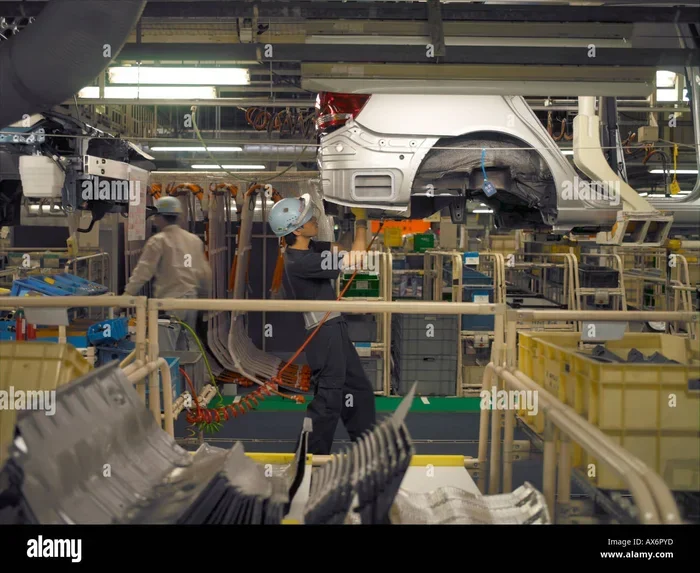
Toyota is originally from Japan, but today it builds cars in many countries. The company started in 1937 and grew into a global brand known for durability and smart engineering. Knowing what country is Toyota made in helps you understand why these vehicles feel so dependable. You will learn where the first Toyota rolled off the line, where major factories stand now, and how local production shapes each market.
Toyota is one of the most familiar names on the road, but many buyers still ask a simple question: what country is Toyota made in? The short answer is Japan, but the full story is bigger. Toyota started in Japan and still treats that country as its home base. Over time, though, it built factories in many places so it could serve drivers closer to home.
That global setup matters because a car is not just a car. A sedan built for city traffic may feel different from one built for long highway commutes. A truck designed for rugged rural roads may use different materials than a family crossover. When you understand where Toyota comes from and where it builds cars today, you get a clearer picture of why these vehicles feel the way they do.
In this guide, we will look at Toyota’s Japanese roots, its worldwide factory network, and how production choices shape the cars you see on the lot. We will also touch on reliability, hybrid technology, and how Toyota compares with other popular brands. If you are shopping for a Toyota or just curious about the brand, this overview will help you make sense of the name on the badge.
Key Takeaways
- Japanese Origins: Toyota began in Japan and still keeps its main engineering and design hubs there.
- Global Factories: Toyota builds vehicles across North America, Europe, Asia, and other regions to serve local buyers.
- Made for Each Market: Cars often match local tastes, road conditions, and rules, which changes features and trim levels.
- Hybrid and EV Growth: Toyota uses its global network to spread hybrid tech and develop new electric models.
- Reliability Reputation: Strong quality control and long-term testing help Toyota stay known for dependable daily driving.
- Brand Family: Toyota also owns Lexus, and many buyers compare Toyota with Honda, Nissan, Subaru, and Mazda before buying.
- Smart Buying Tip: Check where your specific model is built, because origin can affect features, availability, and resale value.
📑 Table of Contents
- The Japanese Roots of Toyota
- Where Toyota Builds Cars Today
- How Origin Affects the Cars You Buy
- Toyota’s Reputation for Reliability and Practical Engineering
- Comparing Toyota With Other Popular Brands
- Smart Buying Tips for Toyota Shoppers
- Expert Insights and Common Mistakes
- Final Thoughts on Toyota’s Origins and Global Reach
The Japanese Roots of Toyota
From Looms to Cars
Toyota did not start as a car company. It began with automatic looms, which are machines that weave fabric. The company’s founder, Kiichiro Toyoda, shifted focus toward automobiles because he saw a growing need for practical transportation. That move laid the foundation for a brand that would later become known for efficient production and careful engineering.
This history matters because it shaped Toyota’s mindset. The company learned early how to improve processes, reduce waste, and build products that last. Those ideas still show up in the way Toyota designs vehicles and runs its plants. If you ever wonder why Toyota often feels practical and steady, part of the answer goes back to those early industrial values.
Why Japan Still Matters
Even with factories around the world, Japan remains central to Toyota. The company keeps strong engineering, design, and leadership ties there. Many core ideas about safety, efficiency, and durability are rooted in the brand’s home culture. That does not mean every Toyota is built in Japan, but it does mean the company’s identity is closely tied to its origin.
If you want to explore more about Toyota’s background and how the brand developed, you may also enjoy reading about whether Toyota is a Japanese car. It is a helpful way to understand how the brand balances homegrown identity with global production.
Where Toyota Builds Cars Today
A Global Factory Network
Toyota now operates manufacturing sites in many regions. It builds cars in places like North America, Asia, Europe, and other markets. This approach helps the company respond faster to local demand. It also reduces shipping costs and allows Toyota to adjust models for different buyers.
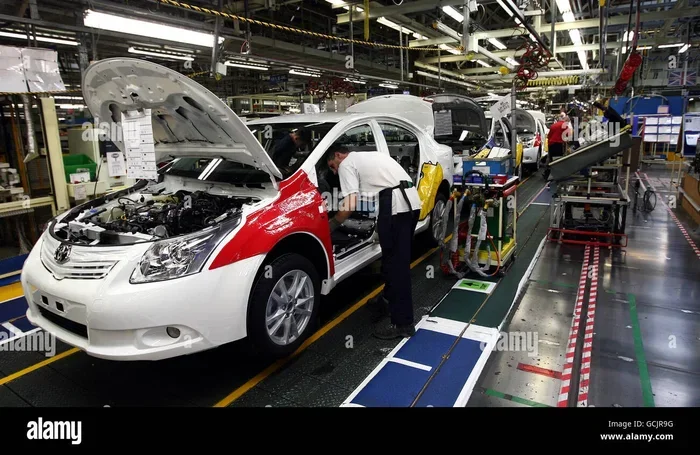
Visual guide about Toyota factory assembly line
Image source: c8.alamy.com
Here is a simple look at why global production matters:
- Local supply: Parts and assembly can stay closer to the buyers who need them.
- Market fit: Vehicles can be tuned for local weather, roads, and driving habits.
- Faster service: Regional production can make certain models easier to supply.
- Flexibility: Toyota can shift output based on demand changes.
North American Production
In the United States and other North American markets, Toyota produces many popular models close to home. That includes vehicles for everyday commuting, family use, and work. Buyers often appreciate that local production can support availability and service. It also helps Toyota stay competitive in one of the world’s largest car markets.
If you are comparing Toyota to other major brands, you might also look at articles like whether Toyota is better than Nissan or whether Subaru is better than Toyota. Those comparisons can help you see how different brands position themselves in the same market.
Asian and Other Markets
Toyota also has a strong presence in Asia and other regions. In those markets, the company often builds models that fit local needs. Some vehicles are smaller and more fuel-efficient. Others are built for tougher terrain or longer travel distances. The result is a brand that can feel familiar in many countries while still adapting to local conditions.
This global reach also helps Toyota spread new technology. For example, hybrid systems and fuel-saving designs can be developed in one region and supported in many others. That kind of shared knowledge is one reason Toyota has stayed influential for so long.
How Origin Affects the Cars You Buy
Design Choices and Local Needs
Where a car is made can influence more than just the label on the window sticker. It can affect ride feel, interior layout, engine options, and even safety features. A model built for a crowded city may prioritize easy parking and tight turning. A model built for rural use may focus on towing, durability, and higher ground clearance.
That is why two Toyotas can feel different even if they share the same brand name. The basic philosophy may be the same, but the final product often reflects the market it was built for. If you are shopping for a specific model, it helps to ask where it was made and what market it was designed for.
Parts, Quality, and Consistency
Toyota is known for steady quality, and a big reason is consistent manufacturing standards. The company uses careful testing, repeatable assembly methods, and strong supplier controls. That does not mean every plant is identical, but it does mean the brand works hard to keep expectations clear across markets.
If reliability is a top concern for you, you may want to read more about whether the Toyota RAV4 is reliable or how reliable the Toyota Camry is. Those models are often chosen by buyers who want a practical daily driver with a solid reputation.
Toyota’s Reputation for Reliability and Practical Engineering
Why Buyers Trust Toyota
Many people choose Toyota because it feels like a safe bet. The brand has a long reputation for dependable transportation, reasonable maintenance costs, and steady performance. That reputation is not accidental. It comes from years of refining production methods, listening to customer feedback, and focusing on vehicles that fit real life.
Reliability is not just about avoiding repairs. It also means a car can handle daily use without feeling fragile. For busy families, commuters, and small business owners, that matters a lot. A vehicle that starts, drives, and keeps going with minimal hassle can make life easier.
Hybrids and Newer Technology
Toyota has also become closely associated with hybrid technology. Its hybrid systems are designed to improve fuel economy without making the car feel complicated to drive. That balance has helped Toyota appeal to buyers who want efficiency but do not want to give up convenience.
If you are curious about hybrid models, you might explore whether the Toyota Prius is a hybrid. It is one of the best-known examples of Toyota’s efficiency-focused engineering. The brand has kept expanding its electrified options, and that growth shows how Toyota tries to meet changing buyer needs.
Comparing Toyota With Other Popular Brands
Toyota and Honda
Toyota and Honda are often mentioned together because both brands are known for practicality and reliability. They both make compact cars, sedans, SUVs, and trucks that fit everyday use. The difference often comes down to styling, driving feel, and which features matter most to you.
Some buyers prefer Toyota for its balanced approach and broad model range. Others like Honda for its sportier personality in certain models. If you want a direct comparison, check out whether Honda or Toyota is more reliable. It can help you narrow your choice based on what you value most.
Toyota and Nissan, Subaru, and Mazda
Nissan, Subaru, and Mazda each bring something different to the table. Nissan often focuses on comfortable interiors and accessible technology. Subaru is known for all-wheel drive and outdoor-friendly vehicles. Mazda often aims for a more engaging driving feel and refined styling. Toyota, by contrast, usually emphasizes broad appeal, durability, and practical value.
If you are weighing options, you may find these comparisons useful:
Lexus and the Toyota Family
Lexus is Toyota’s luxury division, and many buyers wonder how the two relate. The simple answer is that Lexus builds on Toyota’s engineering base while aiming for a more premium experience. That can mean softer interiors, quieter rides, and more polished features in some models.
If you are curious about the relationship between the two, you can read whether Lexus is the same as Toyota or whether Lexus is a Toyota brand. Understanding that connection can help you decide whether you want a mainstream Toyota or a more upscale Lexus experience.
Smart Buying Tips for Toyota Shoppers
Check the Model, Not Just the Brand
Toyota is a large family of vehicles, and not every model is built the same way. A RAV4, Camry, Tacoma, Tundra, or Corolla can serve very different needs. Before you buy, think about how you will use the vehicle each day. Do you need space for passengers? Do you want better fuel economy? Do you need extra cargo room or towing ability?
Here are a few quick questions to ask yourself:
- What size vehicle fits my routine?
- Do I need all-wheel drive or standard drive?
- Is fuel economy more important than towing capacity?
- Do I want a sedan, SUV, or truck?
- Will I keep the car for many years?
Ask Where Your Trim Is Built
It is smart to ask where a specific model or trim is manufactured. That can help you understand availability, features, and sometimes pricing. If you are shopping for a truck, for example, you may want to know more about its size and capability. You can look at whether the Toyota Tundra is a 3/4 ton truck or how wide a Toyota Tundra is if you are comparing it with other trucks.
If you are considering a Toyota SUV, you may also want to check whether a Toyota RAV4 is an SUV or how wide the Toyota Highlander is. Small details like body width, cargo space, and driving position can make a big difference in daily comfort.
Think Long Term
A good car purchase is not just about today. It is also about the next several years. Think about maintenance, fuel costs, insurance, and how long you plan to keep the vehicle. Toyota is often chosen by buyers who want a car that can stay useful for a long time without causing constant worry.
If you are planning to lease or buy used, you might also explore how much it costs to lease a Toyota Corolla or how much a used Toyota Camry costs. Those options can fit different budgets and ownership styles.
Expert Insights and Common Mistakes
Expert Insight
One useful way to think about Toyota is as a brand that balances consistency with variety. It keeps a strong core identity, but it also adjusts its vehicles for different markets. That balance is part of why the company has stayed relevant for so long. Instead of chasing every trend, Toyota usually focuses on cars that solve real problems for everyday drivers.
Common Mistakes
A few common mistakes can make the buying process harder:
- Assuming all Toyotas are identical: Different models can feel very different.
- Ignoring local specs: Features may change by region and trim.
- Focusing only on price: Long-term costs matter too.
- Skipping a test drive: Driving the car tells you more than spec sheets do.
- Overlooking resale value: Some models hold value better than others.
Quick Tips
- Match the vehicle to your daily routine, not just your dream setup.
- Compare similar models side by side before deciding.
- Check warranty details, maintenance needs, and fuel economy.
- Ask about factory origin if it matters to you.
- Think about how the car will age over time.
Final Thoughts on Toyota’s Origins and Global Reach
So, what country is Toyota made in? The brand’s home is Japan, and that origin still shapes its engineering culture and identity. At the same time, Toyota has grown into a truly global manufacturer. It builds vehicles in many countries so it can serve drivers where they live and work. That mix of Japanese roots and worldwide production is a big part of the brand’s story.
If you are thinking about buying a Toyota, the best approach is to look beyond the badge. Consider the model, the trim, the features, and the way the vehicle fits your life. Whether you want a dependable commuter car, a family SUV, or a capable truck, Toyota offers a wide range of choices. Understanding where the brand comes from and how it builds cars today can help you shop with more confidence.
Toyota’s strength is not just that it makes cars. It is that it makes cars for many different people, in many different places, while keeping a familiar promise of practical reliability. That is why the question of origin matters, but it is also why the full answer is more interesting than a single country name.
Frequently Asked Questions
Is Toyota made only in Japan?
No, Toyota is not made only in Japan. It started there and still keeps strong ties to the country, but it also builds vehicles in many other regions to serve local markets.
Where was the first Toyota made?
The first Toyota vehicles were developed in Japan, where the company began its shift from textile machinery to automobile production. That Japanese origin remains a key part of the brand’s identity.
Do all Toyota models feel the same because they share a brand?
Not exactly. Different models are designed for different uses, so a sedan, SUV, or truck can feel quite distinct. Even within the same brand, features and driving feel can vary by model and market.
Why does Toyota build cars in so many countries?
Building cars in multiple countries helps Toyota meet local demand, reduce shipping costs, and adjust vehicles for regional needs. It also lets the company serve buyers more quickly in major markets.
Is Toyota known for reliability?
Yes, Toyota is widely known for dependable performance and practical engineering. Many buyers choose it because it tends to fit daily use without requiring constant attention.
Should I care where my Toyota was manufactured?
It can matter if you want to know about local specs, availability, or how a model is positioned for your region. Asking where a specific vehicle is built can help you make a more informed choice.